
Understanding Furniture Reupholstery
What is Furniture Reupholstery?
Reupholstery isn’t magic—it’s the practical renewal your couch has earned by updating fabric, padding, and sometimes springs. In South Africa, the craft blends durability with style, letting a well-made piece outlive fads and wasteful replacements. Getting a clear sense of the scope—from frame condition to fabric selection—helps determine whether a piece deserves a revival!
- Frame integrity and repair needs
- Fabric and pattern selection
- Padding options and spring tuning
For readers curious how to furniture reupholster in your space, the first step is a frame assessment and fabric plan.
Choosing to revive furniture supports local workshops, reduces waste, and keeps iconic South African design alive. It’s a quiet act of resistance against throwaway culture.
Benefits of Reupholster Over Replacement
A single, well-timed revival can stretch a sofa’s life by a decade, and in South Africa that quiet savings hits home. Reupholstery keeps heirlooms intact while updating fabric to weather the sun and the satirical mutterings of family life. If you’re curious how to furniture reupholster in your space, the benefits unfold with the frame, the fabric, and the story they tell.
- Cost efficiency: Fewer upfront costs than replacement, with the same enduring structure.
- Preserves craftsmanship and historic value; keeps locally made pieces in use.
- Customization and sustainability: update colors, textures, and environmental footprint.
Choosing to revive rather than replace reduces waste, supports SA workshops, and yields a fresher look without tossing a family favourite into landfill.
Types of Upholstery Projects
In SA living rooms, a single reupholstery revival can shift the whole atmosphere—one stat says 72% feel more home whenever a beloved seat is renewed. I hear the fabric whisper, and the frame answers with a quiet creak when given fresh breath. If you’re curious about how to furniture reupholster in your space, these paths unfold with purpose.
Three routes shape most projects, from the most meticulous to the brisk refresh:
- Full reupholstery: fabric, stuffing, and trim replaced while the frame and springs are inspected for life.
- Partial reupholstery: targeted areas like arms, backs, or cushions to preserve character while renewing comfort.
- Slipcovers or loose covers: a flexible, seasonal option that protects the original upholstery without a full tear-down.
Whichever path you choose, the goal is a cohesive story that respects the piece’s history while welcoming new light into your space.
Common Fabrics and Their Pros and Cons
The weave of a chair is more than texture—it is a memory you can sit with. In South Africa, common fabrics balance durability, care, and a vibe that can warm a room in an instant. If you’re curious about how to furniture reupholster in your space, these fabrics reveal how each fiber speaks to daily life and to the story you want your furniture to tell.
- Velvet — Pros: luxurious depth of color and forgiving seams; Cons: can snag and require regular brushing.
- Leather — Pros: durable and easy to wipe; Cons: can crack with age and isn’t ideal in very hot rooms.
- Microfiber — Pros: highly stain resistant and affordable; Cons: can attract pet hair and may pill over time.
- Linen or cotton blends — Pros: breathable and natural; Cons: wrinkles easily and sun fade is common.
Whichever fabric you lean toward, the choice informs longevity, feel, and how a space breathes. A thoughtful selection helps you furniture reupholster in a way that honors the piece’s history while inviting today’s light and life into the room.
Choosing Materials for Your Project
Fabric Options by Room Use
Fabrics shape a room’s pace more than paint or furniture alone. “Your furniture is a living record of daily life,” a South African designer says, and the fabric you pick writes the next chapter. When choosing materials for your project, think about room use, wear, and climate. That guides how you furniture reupholster in a way that lasts.
Fabric options by room use help balance comfort and longevity. In busy spaces, choose durable blends with stain resistance. In bedrooms, softer textures add warmth without roughing up wear. Below is a quick guide to aligning fabric with room use:
- Living areas: durable blends and textured weaves
- Dining rooms: stain resistance and easy care
- Bedrooms: soft textures with colorfastness
Colorfastness, seam strength, and maintenance round out the choices. These considerations influence how a piece ages in South African homes and sunlight.
Leather, Fabric, and Microfiber Comparisons
South African sunlight ages upholstery fast—colors fade and textures sag. Material choice can stretch a project from seasons to years. If you’re wondering how to furniture reupholster in South Africa, leather, fabric, and microfiber wear distinct personalities under the sun.
Leather is rugged and timeless, developing patina while shrugging at spills. It thrives in dry heat but hates neglect; condition regularly. In sunny rooms, it’s a dependable long-term bet.
Fabric offers texture and color without shouting. Blends vary in stain resistance and colorfastness; consider room activity. Microfiber adds an affordable, soft-touch option that resists most spills.
- Leather: durable, patina-rich; cons include cost and humidity sensitivity
- Fabric: wide variety; cons include stain risk with light colors
- Microfiber: budget-friendly and stain-resistant; cons include flattening over time
Material choices shape longevity more than style cues.
Durability and Care Considerations
Sunlight writes its signature on upholstery, and in South Africa that signature fades fast. Durability isn’t only skin deep; it lives in the bones—frame joints, spring systems, and how fabric resists daily life. When choosing materials, think longevity, ease of care, and color stability under heat. A guide to furniture reupholster in South Africa emphasizes three truths: a robust frame, a fade-resistant surface, and finishes that wipe clean without drama.
- Choose colorfast, tightly woven fabrics to slow fading
- Check frame joints and suspension—durability begins there
- Plan for cleanability and repairability in daily life
Care routines matter as much as design. Regular dusting, sun-shielding, and gentle cleaning extend the life of your project, turning a fresh reupholstery into enduring comfort.
Sustainability and Sourcing
“Sustainability is the ultimate luxury,” a designer once whispered, and it sticks like a thread through every seat we restore. When choosing materials for your project, think lifetime, not trend. If you’re looking to furniture reupholster in a way that defies the drift of seasons, lean toward colorfast, tightly woven fabrics and resilient cushioning foams. In South Africa, you’ll find a vibrant pool of local mills and ecologically minded suppliers ready to support durable comfort.
Sourcing matters as much as the stitch. Prioritise reclaimed or recycled fabrics, low-emission dyes, and frames milled from sustainably managed wood. Consider a simple list:
- Locally produced fabrics for shorter supply chains
- Recycled foam or natural latex for support
- Water-based finishes and low-VOC adhesives
These choices make maintenance easier and future repairs straightforward, turning a reupholstery project into enduring comfort.
Cost Implications of Materials
Durability is the new luxury in South Africa’s living rooms, where a well-chosen seat earns its keep long after the trend has left town. A single high-quality fabric can outlive three seasons of coffee-table gossip. If you want to furniture reupholster in a way that lasts, start with the true cost of materials, not only the price tag.
Durable materials may seem dear at the till, yet they trim lifetime costs by avoiding frequent workshop slips. The foam, batting, and finishes choice drives value more than the fabric alone. Local sourcing reduces transport costs and reveals the true premium of lasting comfort.
- Material lifespan and seam resilience
- Foam density vs natural latex for support
- Finish choices and low-VOC finishes
Ultimately, the quiet luxury is a chair that looks as good years hence as it did at first—well made, well kept, and quietly confident.
The Reupholstery Process and Timeline
Assessment and Measurements
The reupholstery process begins with a candid assessment of the piece’s soul—its joints, springs, and cushions—before fabric whispers its future. In South Africa, craftsmanship meets a precise timeline, with meticulous timeline assessments and measurements guiding every stitch. Choosing to furniture reupholster in SA means reviving a beloved heirloom while inviting modern textures to dance with its history, creating a harmony of comfort and character that endures long after the first fabric swatch is chosen.
Timeline momentum and measurement accuracy determine the cadence of the project. Most pieces progress over two to three weeks, depending on fabric lead times and repairs. The following steps shape the journey:
- Assess frame integrity and dismantle with care
- Repair springs, padding, and the base for lasting support
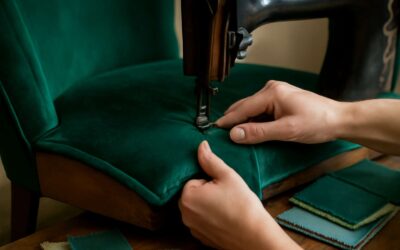
- Upholster with the chosen fabric, add finishing details
Demonstrating a Step by Step Process
Memories sit in the grain and grain—char and charm—until a well-tended reupholstery breathes new life. In South Africa, a well-paced project commonly spans two to three weeks, with fabric lead times and repairs shaping the tempo. The reupholsterer reads the piece like a story, balancing history with fresh texture to create comfort that endures.
For readers exploring furniture reupholster in SA, the journey unfolds in a rhythm of careful checks and staged craftsmanship, inviting a step-by-step routine:
- Assess frame integrity and dismantle with care
- Repair springs, padding, and the base for lasting support
- Upholster with the chosen fabric, add finishing details
Finished pieces align with a hush of fabric and polish, ready to inhabit a room with renewed presence.
Quality Checks and Finishing Touches
In South Africa, a well-executed upholstery refresh can make a room feel 40% more inviting! “A stitch with intent breathes life into wood and fabric,” notes our craftspeople.
Two to three weeks is typical, depending on fabric lead times and repairs. The reupholsterer checks frame integrity, spring tension, and padding, then steadily guides fabric onto every curve.
- Frame and spring health assessment
- Padding, webbing, and base reinforcement
- Fabric fitting, seams, and finishing touches
Finishing touches—buttons, welting, and a careful leg alignment—give the piece its renewed presence. If you’re exploring furniture reupholster in SA, the result whispers of quiet refinement.
Budgeting and Choosing a Reupholstery Service
Estimating Costs by Project Type
If you’re considering a refresh, the path to furniture reupholster in your space starts with budgeting. Estimating costs by project type helps you compare quotes without the sting of hidden fees, turning what could feel like a puzzle into a lucid map. In South Africa, prices reflect fabric choice, pattern complexity, and the frame’s condition, with estimates usually in Rand. Clarify what’s included—inspection, padding, seams—so you can plan with confidence and avoid surprises when the project begins.
Project types often steer the price ladder. The most common jobs appear on quotes:
- Sofas and couches
- Armchairs and lounge chairs
- Dining chairs
- Ottomans
Choosing a service means weighing turnaround, accessibility, and workshop craft philosophy as much as the numbers. A reputable studio will map each project type to materials and labour, translating the quote into a clear plan that fits your space with lasting character.
Labor vs Materials Breakdown
Budgeting is the quiet engine behind a successful reupholstery. In South Africa, fabric prices ride the rand, so a clear plan keeps surprises at bay. A well-tuned budget can stretch a sofa’s life by a decade, letting you enjoy style without staking the bank. When you budget with precision, you’re furniture reupholster in control of style, durability, and value.
A transparent quote splits labour from materials, helping you compare quotes without hidden fees. Consider this simple breakdown:
- Labour: frame inspection, removal, padding, stitching, and finishing touches
- Materials: fabric or leather, foam, interlining
- Extras: pattern matching, piping, zippers, or buttons
Choose a studio that maps each project type to materials and labour, offering clear timelines and craft philosophy. A touch of alchemy in the workshop can translate into predictable turnaround and lasting character for your space.
Finding Reputable Professionals
“A well-planned budget is a spell that keeps surprises at bay,” says a seasoned SA upholsterer. Looking to furniture reupholster in South Africa, you want a plan that preserves style and value. A transparent quote splits labour from materials, so you can compare without fear of hidden costs.
- Clear timelines and craft philosophy
- Material–labour mapping on every project
- Pattern matching and finishing integrity
Choose a studio that communicates expectations, offers flexible scheduling, and stands behind its workmanship—your space deserves lasting character.
Getting Quotes and Comparisons
South Africa’s living rooms deserve furniture that lasts longer than the latest trend. If you’re planning to furniture reupholster in South Africa, you want a plan that preserves style and value. One SA study found households who budget before upholstering cut unexpected costs by about 40%. ‘Budgeting up front keeps the drama out of delivery,’ quips a seasoned SA upholsterer.
Start with a transparent quote that splits labour from materials; it makes comparisons simple and helps you spot hidden add-ons before commitments. Look for mentions of timelines, craft standards, and pattern-matching considerations—these tell you how the studio plans to approach your piece.
- Clear communication and flexible scheduling
- Pattern matching and finishing integrity
- Timelines and craft philosophy backed by a warranty
With these checks, you’ll navigate the market with confidence and find a studio that treats your space with care and character.
Questions to Ask Before Booking
A strong budgeting plan can save 40% of unexpected costs when upholstering. Great projects start with clear expectations and fair pricing.
If you’re comparing studios for furniture reupholster in South Africa, start with a transparent quote that splits labour from materials, and asks about timelines, craft standards, and pattern matching. This helps you compare apples with apples and spot hidden add-ons before commitments.
Questions to ask before booking:
- How is the project priced—what’s included and what could trigger extra costs?
- What is your typical turnaround, and how will updates be shared?
- What aftercare guidance and warranty coverage come with the finished piece?
Turnaround Time Expectations
A well-planned budget cuts the risk of price creep. In South Africa, projects show up to 40% fewer surprises when costs are itemised from day one. When you plan to furniture reupholster in South Africa, start with a transparent quote that splits labour from materials and sets clear milestones.
Turnaround time matters as much as the final look. Ask for typical timelines and how progress updates will be shared—email, SMS, or site visits. Realistic windows depend on fabric availability, pattern matching, and the scope of the job, so expect a solid range rather than a single date.
- Turnaround windows you can rely on
- Communication cadence during the project
- What triggers extra costs and how they’re approved
Maintenance, Care, and Aftercare for Reupholstered Furniture
Cleaning Tips for Different Fabrics
Behind every well-loved sofa lies an untold routine of care. A well-tended piece can outlast changing fashion by decades, a testament to patience and craft. Local wisdom reminds us that “the finest fabrics demand the strongest rituals.” In South Africa, choosing to furniture reupholster in rather than replace is a decision rooted in resilience and value.
Maintenance grows wiser when fabrics are considered individually:
- Leather: conditioning and shade from sun.
- Fabric: use approved cleaners and test in a hidden area.
- Microfiber: prompt spill response and air-drying.
Aftercare becomes a ritual of cadence—dusting, sun protection, and periodic professional assessments help preserve colour, texture, and value, ensuring your piece remains a throne in every South African home.
Preventive Care and Protection
In South Africa, maintenance turns a cherished sofa into a family relic. A well-tended piece can outlive changing fashion by decades, a quiet testament to craft. “Maintenance” is a ritual, says a craftsman: longevity is built in. The decision to furniture reupholster in keeps memories alive.
Care, then, is more than cleaning; it is placement, light, and seasonal checks. Keep fabrics out of direct glare, maintain a gentle climate, and invite small repairs before they become stubborn faults. Embracing these habits protects colour and texture without sacrificing warmth or comfort.
Aftercare completes the circle: a little routine, a patient eye, and the confidence that a chair holds its place in the story. Dust regularly, rotate cushions, and invite a professional for periodic assessments.
Seasonal Maintenance and Repairs
Across South Africa, a stat captures the truth of home life: 68% of households report that a well cared-for sofa outlives fashion by decades. This is the quiet mathematics of maintenance, where patience and craft become memory. The decision to furniture reupholster in keeps memories alive, stitching new life into old structures without erasing their stories.
Care is more than cleaning; it is about placement, light, and the rhythms of the seasons. Keep pieces away from harsh glare, cultivate a gentle climate, and invite small assessments that notice wear before it becomes a fault. Such habits guard colour and texture while preserving warmth and comfort in sunlit lounges and cosy corners.
Aftercare completes the circle: a patient eye and a routine that feels hospitable rather than burdensome. In the quiet of the South African afternoon, a chair carries its history with dignity, inviting another generation to lean in and listen.
Long-term Care to Extend Life
Across South Africa, 68% of households report that a well cared-for sofa outlives fashion by decades. That quiet arithmetic of habit makes maintenance a civic act—every fabric choice and repaired seam a small comment on shared spaces and public life.
Care is more than cleaning; it is about placement, light, and the rhythms of the seasons. Keep pieces away from harsh glare, cultivate a gentle climate, and invite small assessments that notice wear before it becomes a fault. If you furniture reupholster in, you keep memories alive.
Aftercare completes the circle: a patient eye and a routine that feels hospitable rather than burdensome.
- Fabric integrity at edges and seams
- Cushion support and form
- Frame stability and leg health

0 Comments