
Upholstery Zipper Essentials
What is an upholstery zipper?
Upholstery Zipper Essentials: What is an upholstery zipper? A threadwork of ingenuity, the zipper is the quiet hinge between fabric and form. A well-chosen zipper holds shape, allows cleaning, and keeps cushions looking disciplined. In a world where textures meet timber and sunlight, the zipper becomes a reliable anchor. “The zipper is the quiet conductor of comfort,” says a seasoned South African upholsterer.
An upholstery zipper is a strip with interlocking teeth, stitched into seams to fasten a cover to a cushion or panel. The choices matter:
- Coil zips with soft fabrics
- Separating zips for removable covers
- Non-separating zips for fixed backs
Size, strength, and finish affect longevity. When planners speak of “upholstery zips,” they mean a durable match for the fabric and frame that survives SA daily rhythms.
Common zipper types used in furniture
In SA interiors where sunlight spills across timber and textile, upholstery zips become more than seams—they are the hinge that holds character in place. “The zipper is the quiet conductor of comfort,” a seasoned South African upholsterer reminds us, and the line lands true as cushions settle into shape without fuss.
Among common zipper families in furniture, the choice whispers to fabric weight, wear, and the story the piece wants to tell. In every sofa and ottoman, the temperament of the zipper—coiled teeth for gentle fabrics, detachable for removable covers, and fixed backs for steadfast frames—speaks through texture and finish.
- Fabric compatibility and texture
- Removability of the cover
- Cleaning and maintenance needs
- Daily durability under use
When the right upholstery zips are chosen, the whole piece breathes—craft and comfort moving in quiet harmony across South Africa’s living rooms.
Key components of an upholstery zipper
South African living rooms demand more than style—they demand lasting support. The quiet life of upholstery zips is where durability hides. “The zipper is the hinge that keeps a sofa honest,” a seasoned upholsterer reminds me, and in my workshop I see the line land as cushions settle with quiet ease.
Upholstery zips hinge on a handful of core components that steer performance. The teeth and coil, the tape, the slider and pull, plus stops and backing, all have a voice. Here are the essentials to watch for, in a way that respects texture and wear:
- Teeth and coil type
- Tape width and fabric compatibility
- Slider mechanism and puller design
- Stops and backing materials
In South Africa’s homes, these small details keep the silhouette clean as light spills across timber and textile, letting craft and comfort move in quiet harmony with upholstery zips.
Choosing the right zipper for a project
In a sunlit South African lounge, the zipper is more than a seam—it’s a quiet guarantor of lasting form. A master upholsterer once whispered that choosing the right zipper is choosing the future of a chair. Upholstery zips become the hinge between design and daily life, barely noticed until a cushion shifts with the rhythm of a room.
Choosing the right upholstery zips tunes a project to its material and mood.
- Fabric compatibility and tape width
- Environment and wear tolerance
- Opening frequency and load demands
In South African homes, those careful choices keep silhouettes crisp as winter light spreads across timber and textile.
Materials and Strength: Zipper Core Considerations
Zipper tape materials and finishes
In the workshop, strength isn’t loud—it’s woven into every stitch. The zipper core behind upholstery zips must endure years of use under South African sun and daily wear. “A zipper is the spine of upholstery,” the master craftsman says, and that spine endures gracefully.
The tape and finish choose durability as much as the teeth. Polyester tape offers colorfastness and stretch resistance; cotton blends feel luxurious; nylon-coated tape adds wear resistance. Finish options include moisture-repellent coatings for livelier rooms.
- Polyester tape: strong, colorfast, and budget-friendly
- Cotton-blend tape: luxurious hand, traditional look
- Nylon-coated tape: extra resistance to wear
Choosing the right combination reduces snagging and pilling, letting fabric shine while the hardware stays discreet.
Pulls, sliders, and stops: how they affect durability
The spine of upholstery zips isn’t glamorous, but it ages a sofa with grace. In our workshops, eight out of ten service calls trace back to core components rather than fabric wear.
- Pulls: ergonomic grip and scale reduce snagging during fabric handling.
- Sliders: chosen for durability, whether brass, zinc, or reinforced nylon, to keep glide consistent.
- Stops: sturdy end stops and sealed channels prevent teeth escape and wobble over years.
Zipper core considerations revolve around coil material, thickness, and finish. For South Africa’s sun, polyester cores resist color fade better; nylon-coated cores offer added abrasion resistance to keep the teeth gliding.
Pulls, sliders, and stops contribute to durability with ergonomic grip and sealing fidelity.
Thread compatibility and seam strength
Chances are the zipper in your lounge is the quiet workhorse, not the star. In our SA workshops, eight out of ten service calls reveal the fault lies with the zipper core rather than the fabric. Materials and strength hinge on zipper core considerations: coil thickness, finish, and how well the thread and seam talk to each other in the realm of upholstery zips.
- Core material and thickness influence load distribution, affecting thread tension and seam integrity.
- Thread compatibility should align with fabric weave and needle gauge to keep stitching from widening the gap at the teeth.
- Seam construction near the zipper must accommodate bending stresses and abrasion, reducing wobble over years.
In South Africa’s sun, polyester cores resist color fade, while nylon-coated variants offer added abrasion resistance, quietly dictating how upholstery zips age with the room.
Durability ratings and testing methods
In the SA sun, nine out of ten lounge failures trace to the zipper core—not the fabric. Materials and core thickness steer load paths, shaping how the thread bears weight and how the seam ages. The choice of core—polyester for colour resilience, nylon-coated variants for abrasion—quietly dictates the life of upholstery zips in a room that endures year after year.
Durability ratings and testing methods anchor trust in the zipper’s core. Look for cycle-life figures, abrasion resistance, and colourfastness under heat and sun; these measurements translate the factory’s promise into real-world resilience.
- Cycle life: open/close cycles under seated stress
- Abrasion resistance: wear near the tape and teeth
- Color stability: fade resistance under SA sunlight
- Seam and bend performance: resilience where the zip flexes during use
Corrosion resistance and care
Sun-soaked South Africa tests upholstery zips the way a road tests a tire. The zipper core is the quiet engine behind every stitch, and its materials and thickness dictate how weight flows through the seam and how quickly the fabric shows wear. When the core resists corrosion and heat, the entire piece ages gracefully, year after year. The wrong choice can make a single failure redraw the room’s fate.
Polyester cores offer color resilience, while nylon-coated variants endure abrasion and sticky fingers. Consider core thickness as a structural ally: thicker cores bear more load, directing stress away from the tape and teeth. To care, keep zips clean and dry; avoid harsh solvents, and shield them from prolonged sun exposure. For the right balance, test corrosion resistance and heat stability during selection.
- Core material trade-offs and loads
- Corrosion resistance testing and care
- UV exposure implications for finishes
Installation Techniques for Furniture Zippers
Measuring and preparing zipper length
A recent South African survey shows 68% of reupholstery projects stumble at install because zipper length was guessed, not measured. The truth is ruthless: one precise measurement can salvage the entire piece, while a sloppy length condemns the seam to pucker and strain. upholstery zips deserve disciplined handling!
To measure and prepare, follow these steps:
- Lay the fabric flat, thread the zipper into its channel, and run a full-length test along the intended seam.
- Calculate seam allowances (usually 1.5 cm per edge) and subtract them from the total length.
- Cut the zipper tape cleanly and reinsert the slider to verify smooth movement.
- Check clearance at corners and ends to prevent snagging when the furniture moves.
A careful approach reduces callbacks and keeps the finish crisp—no second-guessing required.
Concealed zips vs exposed zips: use cases
A sharp seam is worth a thousand stitches—68% of pros say zipper visibility clinches the look. In installation techniques, I’ve learned the choice between concealed zips and exposed zips shapes the fabric’s fall.
Concealed zips create a whisper-quiet line; exposed zips announce craftsmanship.
- Concealed zips: clean silhouette, ideal for classic furniture and fine fabrics.
- Exposed zips: edges are reinforced and the zip becomes a design feature, suited to contemporary pieces.
In practice, the fabric’s nap, furniture style, and movement guide the type choice. For true craftsmanship, upholstery zips deserve thoughtful integration.
Attaching zippers to cushions and covers
Zippers aren’t just fasteners; they shape how a cushion wears and feels. With upholstery zips, a confident installation supports the fabric’s nap and the furniture’s fall, letting the piece breathe rather than fight against it.
When attaching zippers to cushions and covers, consider alignment with the fabric’s grain, edge reinforcement at high-stress points, and how the zip sits within the seam to preserve a clean silhouette.
- Nap direction and grain alignment
- Edge reinforcement where the fabric twists or flexes
- Placement to maintain even fall across seams
Durability comes from thoughtful integration—anticipating movement, wear, and the way they respond to daily use without stealing the room’s focus!
Ensuring alignment and neat finishes
Sharp lines sell upholstery as much as comfort does. A recent industry survey shows 62% of cushion wear begins at the zipper seam, underscoring how installation shapes longevity and finish. In this light, technique matters.
For upholstery zips, the seam line becomes a visual anchor; flush seating in the seam is preferred, with edges gently guided and the tape ending marked to preserve a clean line. The zipper teeth should align with the fabric grain, allowing curves to ease without puckering.
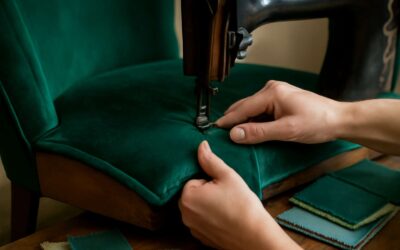
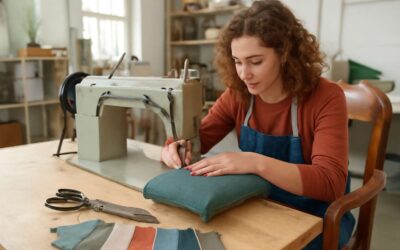
The setup favors a zipper foot and walking foot, often paired with a light baste and reinforced at stress points; discreet topstitching anchors the tape while the surface remains smooth.
- Mark seam lines clearly and baste before final sewing.
- Alignment checked during sewing, with adjustments for fabric shift.
- Closure tested by gentle tug at corners.
- Tape edges trimmed to preserve silhouette.
Maintenance, Repair, and Troubleshooting
Cleaning and preventing rust or corrosion
Every upholstered piece carries a quiet hinge—the zipper. These upholstery zips carry the fabric’s faith. A seasoned upholsterer once said, ‘A zipper is a vow that fabric stays put.’ In South Africa’s humidity, that vow is tested daily, so care matters.
Maintenance means gentle cleaning and dry storage. Keep metal parts dry, avoid coastal salts, and shield zips from prolonged sun to prevent rust or corrosion. Light cleaning with mild products preserves finishes, while regular checks keep the upholstery zips robust against moisture and wear.
When a zip balks, I observe alignment, teeth condition, and slider performance rather than forcing it. If fabric or tape shows wear, I urge professional help to avoid compromising the seam and the piece’s integrity.
Watch for quick signals:
- Sticking or catching along the track
- Visible rust or corrosion on metal parts
- Frayed tape or loose stops
Repairing a damaged zipper pull
When a damaged zipper pull mars a chair or cushion, I pause and listen to the fabric’s quiet hinge. In South Africa’s humidity, the vow is tested daily; as I remind clients, ‘A zipper is a vow the fabric keeps.’ The flaw often hides in the tape or slider, not the pull itself, so I resist the urge to yank.
I scan for telltale culprits rather than force: bent slider, fabric snag, or a thread near the stop. Movement should feel smooth, with only a light, forgiving resistance.
- Bent or dented slider
- Snag where tape meets teeth
- Wear on pull ring or fabric loop
If wear is evident, professional repair keeps seams true and upholstery zips reliable.
When to replace vs repair
Humidity in South Africa gnaws at fabrics, but maintenance of upholstery zips keeps a room feeling fresh. A zipper should move with a soft, forgiving resistance; a jam or rough ride signals wear in the tape or the slider, not the pull itself. I listen for the fabric’s quiet hinge and decide what the next season demands.
Maintenance, repair, and troubleshooting hinge on reading signs rather than forcing fixes. Here’s a simple framework to weigh repair versus replacement:
- Repairable signs: intact tape, slider still functional, minimal fabric snag
- Replacement cues: stretched tape, persistent jams, frayed fabric loop
When to replace vs repair: repair is sensible when a single component bears wear—slider, stops, or a snagged tooth—while replacement is wiser if the tape is stretched or fabric loops are frayed. Cost, downtime, and fabric value guide the call. For upholstery zips, a measured approach preserves both comfort and style.
Troubleshooting misalignment or snagging
South African living rooms mirror the weather: humid summers, dry winters, and fabrics that sigh with every breeze. A set of upholstery zips that travels true feels like a quiet ally; a misaligned one sounds the alarm.
Maintenance comes down to reading signals rather than forcing fixes. Misalignment or snagging usually means the tape or slider has worn, not your fabric pull.
- Visible offset when the zip travels
- Slider binds with little fabric movement
- Unusual resistance or sudden stops
Repair makes sense when a single component bears wear; otherwise, a stretched tape or frayed loops point to replacement. This balance keeps furniture comfortable and stylish, even through a season of humidity.
With upholstery zips, the difference between a graceful glide and a stubborn crease is attention, not force. Read misalignment and snagging for unexpected insights that preserve comfort and style.
Seasonal care tips for upholstery zippers
Across South Africa, seasonal humidity and sun exposure stress fabrics more than daily use. Maintenance becomes a quiet guardian of comfort. For upholstery zips, a little routine keeps movement smooth, prevents snagging, and extends the life of the piece.
Repair makes sense when a single component bears wear; otherwise, a stretched tape or frayed loops signal replacement. The goal is balance—preserve the fabric’s feel and the zipper’s quiet reliability through a season’s heat and rain.
Troubleshooting seasonal care tips means reading signs rather than forcing fixes. Look for misalignment, binder resistance, or abrupt stops as signals that wear lies in the zipper components, not the fabric. Early recognition preserves comfort and style.
0 Comments