
Planning and preparation for a small sofa reupholstery project
Assessing the sofa and selecting a durable fabric
Every sofa carries a memory, and planning the reupholstery is where that memory gains a future. When you consider how to reupholster a 2 seater sofa, the question shifts from fabric to purpose: what story should the next decade tell? Design is how it works!
- Assess frame and joints for soundness
- Audit cushions for resilience
- Check seams and fabric wear
Assessing the sofa means listening to what the frame, springs, and cushions tell the room. Seek a stable structure, cushions that rebound, and seams that hold. This scan guides, not dictates.
Durable fabric is the heart of a small South African living space. Choose fabrics with high abrasion resistance, fade resistance, and easy care; blends or coated options can endure sun and daily life. The goal: harmony between room, climate, and longevity.
Measuring the two-seater accurately for fabric
‘Measure twice, cut once’—the motto that saves weekends and cushions alike. In a compact South African lounge, planning how to reupholster a 2 seater sofa starts with a quiet inventory of the frame’s real estate: width, depth, back height, and arm span. Begin with precise measurement and a clear vision for fabric flow—the goal is a tidy fit that respects both room and history.
- Overall width and depth of the frame to guide fabric length
- Seat width, depth, and cushion thickness for seat coverage
- Back height and arm length to ensure clean lines
- Fabric width and pattern matching needs, with seam allowances
With measurements in hand, you map them to fabric width and pattern drama. The right prep keeps mischief to a minimum and lets design shine, even in a sunlit SA lounge.
Gathering the necessary tools and safety gear
Sunlight spills across a compact Cape Town lounge, and plan becomes pride. In SA homes, a fresh reupholster can breathe five more seasons into a beloved sofa. how to reupholster a 2 seater sofa starts not with a tool, but with a quiet inventory of space, fabric, and intention.
Gathering the right tools and safety gear sets the tone for a measured, respectful refresh. A small kit keeps mischief at bay and ensures every thread finds its anchor.
- Measuring tape
- Fabric scissors
- Staple gun and staples
- Utility knife
- Chalk or fabric marker
- Safety glasses and gloves
A tidy, well-lit workspace matters in any SA home—especially where heat and dust meet ambition. With preparation in place, the scene is set for a reverent restoration of form and memory without crowding the room.
Budgeting, timeline, and workspace setup
A quiet Cape Town corner becomes a planning sanctuary when you decide to reimagine a familiar seat. “Plan first,” my mentor said, and the advice glimmers like morning sun on timber. For how to reupholster a 2 seater sofa, the courage to measure space and dream fabric begins long before the first cut.
Budgeting, timeline, and workspace setup form the tripod that steadies any small reupholstery project.
- Budgeting: allocate for fabric, padding, notions, and a modest contingency
- Timeline: build in drying, curing, and delivery buffers
- Workspace: dedicate a clean, well-lit zone with room to breathe
With South African light streaming in, we honor memory and form by arranging tools and space with care, so the sofa can return as a trusted confidant.
Materials and fabrics for a compact sofa
Fabric options and durability ratings for seating
A compact sofa is easier to refresh than you think! The right materials define comfort, longevity, and how the piece reads in a room where every square metre counts. When considering fabrics for a 2-seater unit, look for blends that resist wear and feel good in South Africa’s climate.
Fabric options and durability ratings for seating guide choices from softness to abrasion resistance. For a durable everyday sofa, consider fabric families that combine pleasant hand-feel with resilience.
- Polyester blends for stain resistance
- Cotton or linen blends for breathability
- Velvet or chenille for texture
- Leatherette or genuine leather with backing for durability
Durability is measured in rub counts (Martindale): 15,000+ is suitable for light living, 25,000–30,000 suits families. Choose fabrics with good seam strength and colorfastness to keep the motif intact through years of use, a practical factor in a country where common rooms double as workspaces and social hubs. This matters for how to reupholster a 2 seater sofa effectively.
Foam, batting, and padding choices for comfort
For those chasing how to reupholster a 2 seater sofa, the journey begins with the core that forms comfort. Foam, batting, and padding choices set the tone for durability and feel in SA’s climate, with a whisper of magic as layers settle just right.
Consider these padding options to shape support and longevity during daily use:
- High-density polyurethane foam for seat and back cushions, offering solid shape retention.
- Latex foam or memory-foam blends for extra contour and longer life under busy South African living rooms.
- Polyester batting (Dacron) as a soft underlayer to smooth seams and reduce edge wear.
- Cotton batting for breathable, natural touch suitable for warmer climates, paired with moisture control considerations.
Blend these layers to keep the compact sofa comfortable and resilient, even when the room doubles as a hive of activity.
Hardware, fasteners, and seam aids you’ll need
“The best fabric lasts as long as a memory,” an upholsterer once told me. For a compact sofa, materials and fabrics steer comfort, durability, and climate resilience across South Africa, with breathable weaves and sun-resistant finishes that endure daily bustle in sunlit lounges.
For those exploring how to reupholster a 2 seater sofa, fabrics should balance comfort with longevity. Seek durable textures, easy-clean finishes, and natural blends for warm climates, so the cover harmonizes with inner layers and preserves seams over time.
- Upholstery-grade staples and compatible stapler
- Durable webbing, hog rings, and pliers
- Heavy-duty needle and thread (polyester or cotton)
These choices form the foundation of a compact sofa that remains inviting amid a bustling South African home.
Cushion cores, zippers, and piping considerations
Materials and fabrics for a compact sofa demand a quiet triad: comfort, durability, and climate resilience. In South Africa’s sunlit lounges, breathable weaves and sun-fast finishes keep seating feeling fresh. ‘The best fabric lasts as long as a memory,’ an upholsterer once said, and cushion cores anchor the form, with options from high-density foam to latex-wrapped cores that balance support with give, while batting preserves seams.
If you’re wondering how to reupholster a 2 seater sofa, the cushion core choice will govern posture and daily comfort, while zippers enable practical cover removal. Consider these core options:
- High-density foam cores for structure
- Latex-wrapped cores for resilience
- Memory-foam blends for contour
Zippers should be sturdy and fabric-covered, so they vanish beneath trim; piping defines edges around cushions and arms. Choose cotton or synthetic piping that complements the fabric to preserve seams.
Sustainability and upcycling opportunities
The best fabric lasts as long as a memory, an upholsterer once said. In South Africa, sustainability wears a tactile elegance—breathable weaves, sun-fast finishes, and local craftsmanship turning off-cuts into new life. For a compact sofa, materials and fabrics become a quiet triad: comfort, resilience, and responsible sourcing guiding every choice.
- Remnant fabrics from local mills become statement cushions
- Denim or canvas repurposed from wardrobe refits for outer panels
- Reclaimed batting and foam offcuts saved from landfills
If you’re wondering how to reupholster a 2 seater sofa, this mindset—value, longevity, and repairability—guides choices instead of trends. Sustainability becomes design literacy, a conversation with neighbours and suppliers about circular materials and enduring comfort.
Step-by-step dismantling and prep
Removing old fabric without damaging the frame
A well-loved sofa tells stories that go beyond cushions. “The frame is the memory; fabric is its breath,” a veteran designer once said. In South Africa, how to reupholster a 2 seater sofa begins as a quiet ritual: dismantling honors the structure, lifts away the old fabric, and documents each panel as if it were a page in a diary. The aim is to remove material without compromising the frame, preserving joints and springs for a lifelong encore.
- Label and lay out fabric panels to simplify reassembly
- Save trim pieces and fasteners in clearly marked bags
- Inspect joints and the frame for wear before exposure to new padding
With prep complete, you’re free to sketch the transformation, letting lush textiles unfold over a faithful frame.
Labeling, photographing, and organizing components
In a quiet workshop, the first pull reveals the truth: the frame holds the memory; fabric is its breath. In South Africa, how to reupholster a 2 seater sofa begins with careful dismantling that honors joints and springs, setting the stage for a clean re-cover. Labeling, photographing, and organizing become your compass before a single seam is touched, ensuring the path back to comfort remains intact.
- Label each panel with a simple code and orientation note.
- Photograph each component from multiple angles to capture wear and texture.
- Store trim, fasteners, and padding in clearly marked bags alongside a component map.
With these pieces secured, I move through the space knowing the transformation will unfold with fewer surprises and more confident alignment when the fabric finally settles onto the frame.
Removing cushions, legs, and detachable parts
Here’s a punchy truth: “Measure twice, cut once” still rules the workshop. When how to reupholster a 2 seater sofa moves from fantasy to execution, dismantling does the talking—remove cushions, slip off legs, free detachable bits. In a quiet South African studio, the frame reveals its memory and the space breathes for a fresh cover.
- Remove the cushions and place them in a protective pile.
- Unscrew the legs with the right tool and keep bolts handy for later reuse.
- Detach any detachable backrests or arm sections, bagging each with its associated hardware.
- Inspect the frame and springs for wear; note any repairs before fabric touches the surface.
With the skeleton exposed, wipe away dust, clear debris, and set parts aside in a tidy workspace. The preparation primes a clean, confident reupholstery journey in a South African shop, where every detail quietly translates into lasting comfort.
Dust control and debris management during work
In a South African workshop, clean air is a feature, not an afterthought. A tight dust-control routine can trim cleanup time and keep fibres from drifting into seams. how to reupholster a 2 seater sofa becomes practical when the process stays calm, methodical, and respectful of every component.
Dust control starts the moment the job is disturbed. Tarps and a simple containment zone keep fibres from drifting into woodwork and fabric; a quiet vacuum hums in the background as you wipe the frame and bag debris. The space stays ready for the next phase, nothing wasted.
Practical dust-control gear includes:
- Protective coverings and containment
- Cleaning tools for dust control
- Personal protective equipment
- Ventilation where possible
When debris is contained, the project breathes easier and momentum carries the work forward with clarity and focus.
Inspecting the frame and springs for repairs before upholstering
Every South African lounge holds a story in its seams. A veteran upholsterer once said, ‘frames outlive fashion when you respect the joinery.’ In this guide to how to reupholster a 2 seater sofa, the opening move is quiet, deliberate, and measured.
Step-by-step dismantling and prep hinges on a clear survey of the skeleton. Carefully loosen coverings to reveal the frame, then assess joints for cracks, looseness, or wear. Inspect the springs for sag or corrosion before upholstering, and set aside any damaged pieces for remediation.
- Assess frame joints for stability and note any loose connections.
- Evaluate springs and webbing for sag or uneven support.
- Confirm the surface is clean and ready for fabric application.
Cutting, sewing, and assembling new fabric
Creating pattern templates from existing fabric
A well-timed reupholstery can extend a sofa’s life by up to 40%, a smart move for South Africa’s rising furniture costs. This is how to reupholster a 2 seater sofa, with a focus on cutting, sewing, and assembling new fabric.
Cutting demands care. Use pattern templates from existing fabric to preserve the sofa’s contours, then lay out pieces with the grain in mind to minimize stretch and waste. Keep all pieces oriented so the finish stays neat.
- Pattern templates from existing fabric
- Grain direction and symmetry
- Labeling pieces for assembly
Sewing and assembling tie the project together, and I check seams, reinforce stress points, and confirm the fit before final touches. The result is a durable finish that stands up to daily South African living and family life!
Estimating fabric yardage and seam allowances
In the craft of how to reupholster a 2 seater sofa, cutting demands quiet precision and a painterly eye for the sofa’s curves. Estimating fabric yardage and seam allowances is where calculation meets storytelling, shaping a fabric plan that respects pattern matching and waste with equal care.
When you lay out pieces, keep grain direction true and label each segment for smooth assembly. Consider these factors for yardage and allowances:
- Pattern alignment and grain matching
- Fabric width and pattern repeat
- Seam allowances and edge finishing
With thoughtful sewing and patient assembling, the fabric pulls taut without puckers, and seams reinforce stress points to endure daily South African living.
A subtle weave and careful finishing seal the transformation, keeping your two-seater fresh for years to come.
Sewing cushion covers, seams, and piping
South African homes invest a quiet fortune in upholstery; a well-restored two-seater can breathe new life into a room while saving a fortune on replacements—up to 28% of décor budgets, some say. In the craft of how to reupholster a 2 seater sofa, cutting becomes a quiet ritual, where fabric sings as it yields to curves and memory. The aim: crisp edges, restrained sheen, and a mood that endures.
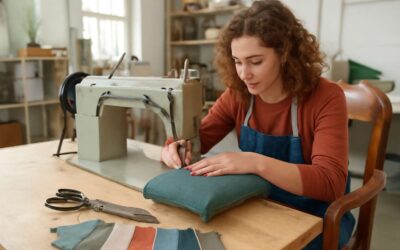
Cutting gives way to sewing, where cushions take shape, seams insist on clean lines, and piping frames the silhouette. When assembling, the focus shifts to alignments, tension, and soft finishes that ban puckers and reveal craftsmanship.
- Pattern alignment and grain matching
- Edge finishing and piping precision
- Seam reinforcement at stress points
Finally, the canvas of a living room breathes as finishing touches settle; the fabric wears in, the frame holds, and the two-seater remains a quiet throne.
Attaching fabric to the sofa frame and securing corners
Cutting is the quiet prelude. Fabric yields as sharp scissors trace the grain, turning yardage into precise panels for a 2 seater. Margin for seams, a hint of pattern matching, and a calm rhythm set the stage. If you’re wondering how to reupholster a 2 seater sofa, this is where the magic begins.
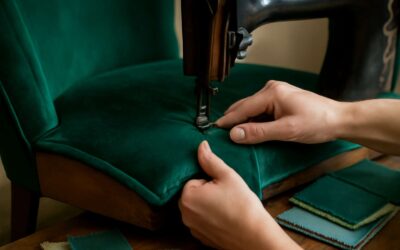
Sewing follows, where cushions take shape and piping threads the silhouette. Clean seams, reinforced at stress points, keep the form crisp. Patience here preserves comfort and character, letting the fabric settle with quiet confidence.
Assembling brings it all together: attaching fabric to the sofa frame and securing corners. Start at the center, smooth tension toward the edges, and secure with the right fasteners. The result should feel taut yet forgiving, ready for the final finish.
Installing cushions and testing fit
Cutting marks the quiet prelude, turning yardage into precise panels. The grain is traced with steady care; seam allowances tuck into the pattern, and pattern matching keeps surfaces harmonious. For readers curious about how to reupholster a 2 seater sofa, this is where the magic begins!
Sewing follows, where cushions take form and piping threads the silhouette. Clean seams, reinforced at stress points, keep the profile crisp. The fabric settles with a calm confidence, revealing how a well-stitched seam can hold years of use.
Assembling brings it all together: fabric settling across the frame, corners readied and edges even. Installing cushions and testing fit completes the transformation, yielding a surface that sits taut yet forgiving, ready to greet daily life.
Finishing touches and care instructions
Installing trims, elastic, and zippers
Finishing touches are the last spell that makes a reupholstered 2 seater sing. Trim seams vanish into the fabric, piping draws a quiet line along the arms, and zippers glide like honest witnesses to a sofa’s renewed life. Elastic under the seat shouldn’t fight the frame; it holds form with a whisper rather than a shout. When I guide a project, I ensure each edge meets cleanly and every closure remains almost invisible, so the furniture keeps its charm without shouting its work.
For anyone curious how to reupholster a 2 seater sofa, the finishing touches matter as much as the frame. A gentle care ethic follows the craft, turning the piece into everyday comfort rather than a showpiece.
- Keep away from direct sunlight to prevent fading
- Vacuum regularly with a soft attachment
- Blot spills promptly with a clean cloth and arrange for professional cleaning when needed
Reattaching cushions and assessing comfort levels
Finishing touches are the sofa’s quiet encore, the moment a project breathes. In the craft of how to reupholster a 2 seater sofa, a clean line, a hidden zipper, and balanced cushions let comfort take the stage. The eye notices restraint; the body feels released.
- Cushions aligned with even tension and symmetrical seams
- Seating depth and back support reading as balanced
- Comfort tested by sitting and minor padding adjustments
Care lingers after the last stitch, preserving color and coziness. Keep away from direct sunlight, vacuum with a soft brush, and blot spills promptly—professional cleaning when needed.
Care tips to extend the life of the reupholstered sofa
Finishing touches are the curtain call of a reupholstery voyage, where fabric, light, and memory meet. A master upholsterer once whispered that a well-seated sofa reveals the room’s truth, not its bravado. In this quiet finale, lines stay clean, and the silhouette breathes with restraint and grace!
Care lingers as color settles into its glow. For those curious about how to reupholster a 2 seater sofa, the secret lives in attention paid to daily rituals—gentle dusting, cradle of cushions, and a forgiving seam where fabrics yield to time. In South Africa’s sunlit rooms, subtle care preserves the finish and keeps the memory of the upholstery alive.
Let the piece speak softly: a sofa that ages with you remains a beloved confidante. Light, not harsh heat, and thoughtful placement allow the fabric to keep its sheen and the cushions’ gentle plumpness, quietly extending the life of your investment.
Troubleshooting common issues and maintenance reminders
Finishing touches are the curtain call where fabric, light, and memory meet. A master upholsterer once whispered, “a well-seated sofa reveals the room’s truth.” For those curious about how to reupholster a 2 seater sofa, final tweaks matter more than bravado, turning a project into a room’s confidante.
Troubleshooting follows the same philosophy: catch wear before it speaks aloud, and let the piece age with grace. Common issues include fabric wrinkling at stretched seams, seam puckering, sagging cushions, or a zipper balking at the fabric. Re-stretch, resew, or replace worn components with care; avoid harsh cleaners; and monitor daily use to keep the finish intact.
- Regular dusting and vacuuming of cracks and crevices
- Rotate cushions to equalise comfort and wear
- Shield from direct sun to prevent fading
- Spot-clean with a mild detergent and blot—never rub

0 Comments