
Essential guide to jackknife sofa upholstery
Selecting project scope and goals
South Africa’s living rooms are theatres of texture, and the sofa often holds the spotlight. A recent study showed that the first impression of a room is set within the upholstery choice, guiding expectations for comfort and durability. When planning a piece about this topic, clarity on scope matters more than glossy images!
Essential guide to jackknife sofa upholstery rests on clear goals. The audience and tone inform expectations, while SEO priorities subtly shape the framing. Consider:
- Target reader profile
- Key message and callouts
- Keyword placement and rhythm
- Format and length
With those anchors, the article stays focused and suspenseful, yet practical, inviting readers to explore the craft of reupholster jackknife sofa with confidence and curiosity!
Materials, fabrics, and tools for jackknife sofas
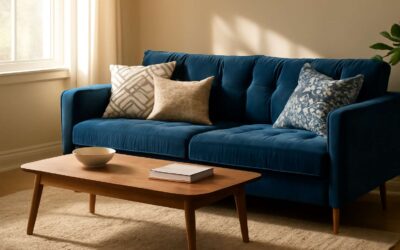
South African living rooms reward careful fabric choices with instant impact. A sofa is the room’s voice, and for those who reupholster jackknife sofa, the materials you choose set the tempo—durable, inviting, and quietly luxurious, a whisper from the fabric.
For jackknife upholstery, gather the essentials:
- Heavy-duty staple gun and staples
- High-density foam and webbing
- Durable batting, seam tape, and edge trim
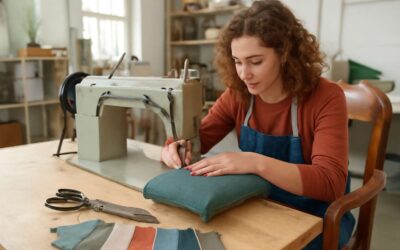
- Sharp shears, fabric chalk, and a robust needle or sewing machine
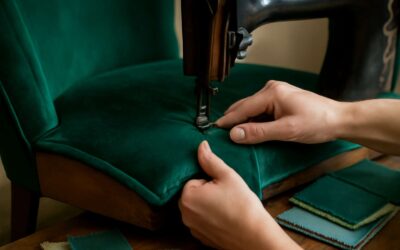
Fabrics, patterns, and finishes shape the final story. When you reupholster jackknife sofa, choose fabrics rated for domestic use, with colorfast dyes and resilient weaves. Velvet, microfiber, and performance blends carry dignity in South Africa’s homes, while careful pattern matching and piping seal the craft.
Preparation and teardown of the sofa frame
A well-made frame outlives fashion—some South African living rooms report their sofas still standing after 15 years of daily use. The fabric is the room’s heartbeat, the frame the quiet metronome.
When you reupholster jackknife sofa, preparation begins with respect for the skeleton. The teardown of the sofa frame reveals its history—screw heads, joint lines, and the weathered webbing telling stories of support and resilience. I move with measured calm, listening to the wood and springs as they sigh back to life.
Here are high-level milestones to consider, not steps:
- Frame integrity and alignment
- Wear mapping and support awareness
- Joinery and spring system assessment
From there, the copper-scented air of a workshop hints at the craft ahead. A poised start to reupholster jackknife sofa promises a story renewed, with fabric chosen to whisper rather than shout.
Upholstery techniques and best practices
Across South African living rooms, a well-cared-for sofa is a quiet rebellion against fashion. The essential guide to jackknife sofa upholstery begins with listening to the frame and the fabric alike, a duet of resilience and grace. When I reupholster jackknife sofa, I craft a story that outlives trends and invites conversation back into the room.
Here are techniques that keep the process anchored in best practice:
- Grain-aware fabric planning and corner harmony
- Layered foam philosophy and seat-to-back balance
- Seam alignment, piping, and welt details for permanence
I mind the tensions, respect the cushions, and let the weave tell the final tale.
Finishing touches and maintenance for longevity
Across South Africa, a well-cared-for sofa anchors a room and outlasts passing fashion. A recent look at living-room habits shows the sofa used about 4.5 hours daily, a quiet testament to its central role. The essential guide to finishing touches begins with restraint and care, not glamour. When you reupholster jackknife sofa, you stitch in resilience as much as style, ensuring the piece ages gracefully!
Finishing touches and longevity lean on subtle details that keep form and fabric aligned. The weave tells the room’s story, and seams stay planned rather than strained.
- Edge and seam integrity for long-term wear
- Careful fabric finishing to resist sun and stains
- Protective cushions and gentle cleaning rhythms
Maintenance for longevity is a quiet discipline: cushions settle, the frame endures, and sun fades creep in slowly. The result is a sofa that remains inviting, its fabric and form telling a durable tale.
0 Comments