
Materials and prep for outdoor cushion upholstery
Choosing outdoor fabric types for patio cushions
Weather is the unseen upholsterer and it shapes every cushion I touch. In transforming outdoor spaces, the craft begins long before the first stitch. When you reupholster patio cushions, you sandwich memory and resilience, seeking fabrics that endure Cape sunshine and sudden showers.
Materials and prep anchor the project. Choose a dense foam core with moisture-wicking properties, a thin layer of batting for comfort, and rust-free hardware. Clean frames, measure precisely, and plan for drainage. A calm, methodical approach saves time and keeps seams neat.
Choosing outdoor fabric types for patio cushions invites careful comparison. Look for UV stability, mildew resistance, and easy cleaning. Consider these options:
- Sun-dyed acrylic fabrics that resist fading
- Olefin blends offering stain and moisture resistance
- Vinyl or coated fabrics for extra durability in high-traffic spaces
Assessing cushions and frame compatibility
Sunlight does not blink; it writes the story of your cushions with every afternoon. I’ve learned, as a seasoned upholsterer might say, “The frame is the actor, the fabric the dialogue.” The craft begins long before the first stitch—consider the bones before you even pick up a needle!
Materials and prep anchor the project. Choose a dense foam core with moisture-wicking properties, add a thin layer of batting, and select rust-free hardware. Clean frames, measure precisely, and plan drainage for those Cape sunshine afternoons and sudden showers. When you reupholster patio cushions, start with thoughtful materials and prep.
Assessing cushions and frame compatibility keeps surprises at bay. Check cushion depth, seat width, and back height against the frame; ensure corners aren’t warped and that there’s a clear path for drainage. A calm, methodical approach saves time and preserves seams.
Tools and safety gear needed
Sun-soaked South Africa hands us a daily reminder: outdoor furniture ages faster than a season’s gossip. A well-timed spark of craft can extend cushions’ life dramatically. When you reupholster patio cushions, start with materials and prep, not a fearless needle in the dark. Think breathable support, a clean slate, and rust-free hardware—ingredients that survive Cape sunshine and sudden showers while keeping seams dignified.
For the backbone of the project, assemble a toolkit that balances pragmatism with safety. You’ll want robust foams and batting, non-corroding fasteners, and a reliable cover fabric; all chosen to weather the South African sun with grace.
Tools and safety gear should be chosen with care to keep your hands and back happy, and the project civilized. Commonly used items include:
- Quality staple gun
- Sharp fabric shears
- Measuring tape
- Rust-free hardware (screws, eyelets)
- Safety goggles and work gloves
- Dust mask or respirator
That toolkit keeps the project smoother and the seams dignified as the tale of cushions unfolds.
Measuring cushions accurately for replacement fabric
Cape sun can shave a cushion’s life by nearly 30% in a single scorching season—a punchy reminder that good prep is cheaper than a new set. When you reupholster patio cushions, precision starts with measuring for replacement fabric that fits and breathes.
Measuring cushions accurately is the compass for materials and prep. The goal is a neat, durable drape that accommodates seam allowances and the foam’s gentle curves, so the final piece looks and wears with confidence.
Consider these measurement categories:
- External dimensions: length, width, depth
- Foam profile: thickness and taper
- Seam allowances and fabric margins
A tidy workspace, clear labeling, and good lighting set the stage for smooth prep—the hallmark of a confident reupholster patio cushions project.
Weather considerations and fabric warranties
Cape sun can shave a cushion’s life by nearly 30% in a single scorching season, a blunt reminder that materials and prep matter when you reupholster patio cushions. For a durable finish, choose fabrics that breathe, resist fading, and stand up to rain and humidity across South Africa. South Africa—it’s fierce out there!
Materials for outdoor cushion upholstery blend fabric, core, and hardware built to survive coastal air and backyard splashes.
- UV-stable, outdoor-grade fabric
- Breathable barrier liner or protective wrap
- Corrosion-resistant threads and weatherproof fasteners
Weather considerations and fabric warranties go hand in hand. Sun, rain, and humidity shape colourfastness and pliability; warranties vary by brand and region. Look for outdoor fabrics with proven fade resistance and clear terms suited to SA conditions.
Step by step reupholstery process for outdoor cushions
Removing old fabric and inspecting padding
Across South Africa’s verandas, a truth glows: outdoor cushions lose their spirit within two seasons if padding is ignored. To reupholster patio cushions is to listen again to their sighs. Start by lifting the old fabric with care, loosening the tacks, and peeling away the cover. As the fabric comes off, inspect the core for moisture, staining, or mildew—these clues reveal what still lives inside and what must go.
Proceed step by step:
- Remove the fabric, keeping the pieces flat for reference.
- Inspect the padding for compression, tears, moisture, or odors; set aside any worn foam or feather fillings.
- Decide if you can refresh padding with patching or if replacement is wiser, then prepare for the next phase with tidy seams.
When the core is sound, you’re ready to choose a new fabric and welcome a refreshed, sun-kissed comfort to your outdoor space.
Creating a pattern from the cushions
Patterning from the cushions is where memory meets geometry. Across South Africa’s verandas, the sun sketches its own fading script on fabric. The art of reupholster patio cushions begins on paper: the pattern becomes the second life of seating, shaping grain, seam lines, and the fullness where the sun sags the padding. I study the edges, imagine the join, and dream of comfort renewed.
- Trace the cushion outline onto pattern paper, keeping the piece flat and intact.
- Label each piece with its orientation and note where piping or a zipper will sit.
- Add a comfortable seam allowance and check the geometry against the layout before cutting into fabric.
With the pattern in hand, the next phase—fabric selection and cutting—unfolds with confidence, inviting a refreshed, sun-kissed comfort to your outdoor space.
Cutting and preparing new fabric pieces
Sunlit verandas across South Africa remind us that patience is a craft. “Patterns teach us to listen to fabric’s breath,” a seasoned upholsterer likes to say. The moment the cloth begins to speak, the project finds its own rhythm.
To reupholster patio cushions, start by laying the new fabric over the pattern, ensuring the grain follows the cushion’s curve. This phase is about intention as much as technique—the pattern becomes the map of comfort!
- Arrange pieces on fabric with respect for grain and selvage.
- Pin and trace around each pattern shape, noting orientation.
- Cut along the traced lines with a sharp blade, keeping edges clean.
- Label pieces and separate them by function for the next stage.
With the pieces cut and labeled, the workshop atmosphere shifts from quiet planning to the tactile ritual of assembly.
Attaching fabric with staples and finishing corners
“Patience is the finest stitch,” a seasoned upholsterer likes to say. Across South Africa’s sunlit verandas, the moment to reupholster patio cushions becomes a quiet adventure, where fabric breath and frame meet. As the cloth settles on the springs and foam, the story moves from anticipation toward a fresh, inviting seat.
The tactile act of attaching fabric with staples and finishing corners, a rhythm that seals the work.
- Align fabric with care, keeping grain and pattern in harmony as you approach the edges.
- Tension the fabric evenly, staple along the perimeter, and avoid puckers at the corners.
- Finish corners by folding and securing with additional staples or a neat fold, trimming excess fabric for a clean look.
The result is a refreshed outdoor space where every seat invites lingering conversations under the South African sky.
Sewing edges and inserting new foam or fillings
“A well-stitched cushion is a quiet revolution against the sun,” a veteran upholsterer likes to say. In South Africa’s verandas, the evenings stretch longer and conversations drift, turning reupholster patio cushions into a mindful ritual that refreshes spaces and spirits alike.
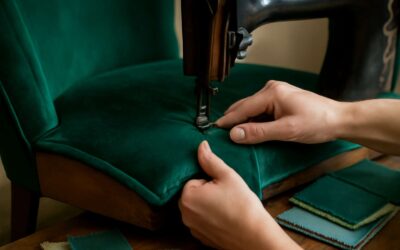
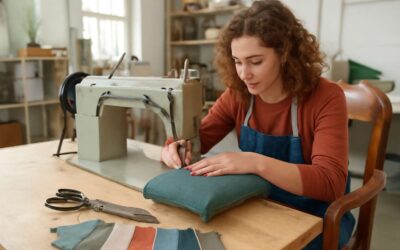
Step by step, the process centers on clean edges and confident fabric behavior. This is how you reupholster patio cushions, with patience and precise stitching. Begin by aligning the fabric, then sew the outer seams so they lock in shape and strength.
- Line up fabric pieces, right sides together, and stitch the perimeter.
- Insert foam or fillings, smoothing toward the corners to avoid lumps.
- Sew the final seam with a consistent, nearly invisible stitch for a clean finish.
Finish with a light trim and a quick check for any puckers, and your outdoor seating becomes a durable stage for long conversations under the South African sky.
Final fitting and inspection
“A well-stitched cushion is a quiet revolution against the sun,” a veteran upholsterer likes to say. On South Africa’s verandas, evenings linger like a warm haze, and that line feels practical as breath. The final fitting marks when fabric, foam, and frame breathe together, turning space into a dialogue with the sky.
During this last phase, the fabric settles over the foam with calm tautness, the edges aligned, corners squared by intention. Seams are checked for symmetry, stray threads coaxed away, and light trims erase evidence of the journey. The result is a silhouette that holds its shape through sun and breeze.
When all is aligned, the stoep becomes a stage for conversations under the South African sky. A smile at the craft—the art of reupholster patio cushions—marks the moment.
Design ideas and customization for patio cushions
Color palettes and patterns for outdoor spaces
Design ideas and customization for patio cushions invite a nocturnal glow to outdoor living. Reupholster patio cushions, and you transform sunlit decks into intimate rooms where texture, light, and color dance in lingering shadows.
Color palettes and patterns for outdoor spaces shape the atmosphere without shouting. Choose palettes that mirror the landscape:
- Sunset terracotta with sandy neutrals
- Sage greens and charcoal for subtle contrast
- Indigo and ivory nautical stripes
- Botanical greens with warm ochres
Pattern scale and texture add drama as the evening settles. Subtle florals or bold geometric motifs can coexist with plains, letting the cushions narrate a room without cliché.
In South Africa’s sun and shade, durable threads and graceful aging keep the mood intact, turning ordinary furniture into a sanctuary of shade and story. To reupholster patio cushions is to braid sunlight with shade and memory.
Mixing textures and fabrics
A sun-drenched verandah becomes a quiet thriller when color and texture duel with light. In a recent survey, spaces that mix tactile layers sell faster than plainer setups. I love how velvet beside weathered jute transforms a deck into a story you want to linger in. I’ve learned that to reupholster patio cushions braids sun and shade into memory, from Cape Town’s shores to veld-wonder evenings.
Mix textures to layer the narrative: matte canvas with boucle, linen with rugged jute, or velvet trim on sun-washed denim.
- Matte canvas + boucle
- Linen + jute
- Velvet trim on denim
These combos let cushions speak softly, guiding light rather than competing with it. In South Africa, weather-ready threads and gracefully aging fabrics keep the mood intact, turning ordinary furniture into a sanctuary of shade and story.
Adding piping and trim for a tailored look
On a sun-washed veranda between Cape Town’s ocean breeze and veld-wonder evenings, a simple detail can redefine the space. If you reupholster patio cushions, piping and trim become the quiet architects of shape and mood—the kind of line that guides light and invites lingering conversations.
I lean into piping profiles—knife-edge, flat, or braided welt—and pair them with trims that echo or contrast with the fabric. A charcoal welt on linen or velvet trim on denim reads as tailored without shouting, a note of sophistication for outdoor rooms. This approach makes it easy to reupholster patio cushions without losing the thread of the original design.
Let texture and trim tell your story as day slides into dusk.
- Contrasting piping in sun-kissed hues
- Minimal braided welt for structure
- Tonal velvet trim for luxury
- Whipstitch accents for artisan charm
Seasonal updates on a budget
On a veranda where the Cape Town sun pools into velvet dusk, the space breathes with the season. A room is never finished; it invites the wind to redraw its mood on fabric. To reupholster patio cushions is to let the breeze script a new chapter across the cushions, quietly altering ambience.
I wander among design ideas that stroll into night with texture and tone—layered neutrals, sun-washed blues, and a whisper of charcoal to ground a space that loves drama. My aim is customization that feels personal, not fussy, with mood as the guide.
- Earthy palettes with a splash of sea breeze
- Mix of linen and velvet for depth
- Quiet piping lines to sculpt light
Seasonal updates on a budget hinge on small changes—color, texture, and form—rather than a full rework. Subtle cover tweaks and remnant fabrics can tell a new story as evening settles over the veld.
Maintenance, care and longevity of reupholstered cushions
Cleaning and stain removal methods for outdoor fabrics
Patio cushions in sun-drenched South Africa deserve more than a cursory wipe; I’ve learned they thrive on a patient ritual. A well cared-for set stays inviting, turning a modest verandah into a refined retreat.
Maintenance and longevity hinge on small habits that honour craft and climate. Rotate cushions, flip the sides, and store them under cover when storms threaten!
- Rotate cushions monthly for even wear
- Cover during heavy rain to protect padding
- Inspect seams and piping; repair early
Cleaning and stain removal for outdoor fabrics relies on gentle solutions. Blot spills, wash with mild soap and warm water using a soft brush, rinse, and air dry away from direct sun.
To sustain the look season after season, store cushions when not in use and keep UV exposure to a minimum. If a refresh is needed, reupholster patio cushions to restore shape and resilience.
Weatherproofing and UV protection tips
South Africa’s sun can gild a verandah, yet it tests every thread. Once you reupholster patio cushions, maintenance becomes a quiet ritual, weaving longevity into daily life and keeping your outdoor room a refined retreat.
Weatherproofing and UV protection demand steady devotion rather than grand gestures. Seek fabrics with built-in UV resistance, and shield cushions from the fiercest glare and sudden downpours.
- Choose breathable, water-shedding covers to extend life
- Store cushions under cover during heavy weather and off-season to curb moisture
With consistent care, the cushions hold their shape and color season after season, a small, luminous testament to craft and climate.
Storage and off season care
South Africa’s sun is relentless—gilding verandahs and testing every seam. If you reupholster patio cushions, you invest in lasting comfort and long-term value. Maintenance becomes a quiet ritual that preserves form and color, keeping your outdoor room refined, season after season.
Storage and off-season care aren’t glamorous, but they matter. It’s about moisture control and ventilation—a dry, well-ventilated space helps curb mould and keeps the silhouette crisp when the cushions return.
Consider these enduring principles:
- Long-term form and resilience
- Moisture control
- Color stability
With consistent care, the cushions hold their shape and color season after season, a quiet testament to craft and climate.
Cost, time and planning for cushion upholstery projects
DIY vs professional services cost comparison
“A well-fitted cushion is a quiet invitation to stay!” declares a local designer. In South Africa, reupholster patio cushions blends budget, climate resilience, and personal taste, where timing can outshine fabric choices.
DIY options often trim costs but demand patience; professional services offer speed and a warranty, which matters as sun, rain, and UV take their toll. Typical cost bands—from a few hundred rand for materials to several thousand for full professional job—come into play when you reupholster patio cushions.
- Materials and fabric quality
- Labor costs and turnover time
- Delivery, warranty, and aftercare
Ultimately, planning shapes both the duration and the final ambience when you reupholster patio cushions.
Time estimates and project planning
“A well-fitted cushion is a quiet invitation to stay!” a local designer quips, and it sums up planning: in SA, the clock matters as much as the fabric. Costs range from a few hundred rand for materials to several thousand for a full professional job, with lead times shaping the schedule more than any color choice. Whether you DIY or hire a pro, align your timeline with your outdoor calendar—not just the next sunny weekend. If you reupholster patio cushions, the clock is king, not optional.
- Budget alignment with material availability
- Realistic lead times and delivery windows
- Warranty and aftercare expectations
That framing turns a grand plan into a graceful reveal, suited to SA’s sun-soaked patios and sudden showers. In the end, time is the unsung co-designer—and ambience follows the schedule you set.
Common budget traps and savings strategies
In SA’s sun-drenched verandas, time is money when you reupholster patio cushions. A neat fit and durable foam can cost as little as a few hundred rand or climb into the thousands, depending on fabric, padding, and finishing touches. The clock shapes the plan as surely as the fabric does.
Common budget traps and savings strategies:
- Overestimating discounts: cheap fabric isn’t always economical if it fades quickly under SA sun and rain.
- Ignoring delivery windows: lead times can stretch budgets far beyond the sticker price.
- Overlooking warranty and aftercare: investing in a basic finish now saves replacement costs later.
Time alignment with the outdoor calendar is as vital as the stitch itself—plan for the season, not just the next sunny weekend, and let ambiance follow the schedule you set.

0 Comments