
Foundations of Interior Styling and Upholstery
Core principles of interior styling
Texture is memory made visible, and in a South African living room it settles like a quiet chorus that you can feel before you name it. Foundations of interior styling begin with light, proportion, and a willingness to let materials speak in their own voice. A room that balances sunlit brass, wool, and linen becomes a language you live in rather than merely look at. You feel it before you name it!
Principles anchor this language: proportion that respects footprint, texture that invites touch, and color that grows more honest with age. To weave these threads, consider rhythm—the way a pattern travels from upholstery to art to floor.
- Proportion that respects the room’s footprint, aligning seating, rug, and artwork.
- Textural layering that invites touch and reflects light in changing angles.
- Color resonance that grounds mood without shouting for attention.
In South Africa, the craft leans into warmth and persistence; the result is spaces that endure, not shout. decor design and upholstery are inseparable here, their dialogue written in grain, fibre, and silhouette.
How upholstery choices influence room mood
Foundations of interior styling are not about chasing trends but about listening to light, proportion, and the quiet voice of fabric. In a South African living room, the upholstery you choose does more than cover a sofa: it calibrates mood—soft wool muting the afternoon heat, linen expanding the sense of air, leather and its gravity grounding conversations.
- Color depth that hums in natural daylight, shaping mood without shouting.
- Weave and nap that invite touch and absorb sound for calmer rooms.
- Fabric weight and durability that set rhythm between everyday life and indulgence.
Rooms become ethical spaces when we allow texture, grain, and silhouette to converse. The careful act of selecting upholstery ties into decor design and upholstery, turning rooms into legible stories rather than mere spaces.
Color theory and texture in decorating
Texture is mood you can touch, and in a South African living room daylight does the heavy lifting. “Texture is the currency of calm,” a designer once told me, and it sticks: decor design and upholstery become the quiet dialogue that informs every choice.
Foundations of interior styling begin with light, proportion, and the grain of fabric. Weight and nap guide rhythm between everyday life and indulgence; color depth in natural daylight holds mood without shouting. Layering texture across surfaces makes spaces feel considered, not decorated.
Think in layers, then shelter them with clarity. Here are a few anchors:
- Hue, value, and saturation set tonal direction.
- Texture, weight, and nap modulate acoustics and warmth.
- Proportion and silhouette maintain legibility across rooms.
This approach keeps a cohesive language of design rather than a collection of parts.
Historical vs modern styling influences
A designer’s whisper: “Light is the quiet conductor of rooms.” In South Africa, daylight shapes mood more than any paint chip, and I see how it steers space and upholstery’s presence. These foundations support a narrative that respects history while leaning into contemporary craft.
Historically inspired cues meet modern sensibility in a careful balance. Historic and modern influences engage in a measured dialogue, inviting heritage textures to coexist with current silhouettes. Consider these threads:
- Heritage cues: carved wood, damask, heirloom finishes
- Modern restraint: clean lines, modular silhouettes, durable fabrics
- Regional context: sun-washed palettes, natural fibres, tactile weaves
In practice, I weave proportion and texture into a coherent language that translates across rooms, ensuring decor design and upholstery share a single, legible voice.
Defining space function, mood, and style
Light, the quiet conductor of rooms, guides how we sketch space and narrative. In South Africa, daylight shapes mood more decisively than any paint swatch, steering upholstery toward tactile honesty and poised silhouettes. This foundation for decor design and upholstery aligns space function with poetry, letting rooms breathe with disciplined warmth and a quiet glow.
- Proportion and scale that respond to natural light and the rhythm of a room
- Material honesty—timber, linen, leather—used with restraint
- Texture and pattern interplay across surfaces to invite touch
From these foundations, a coherent language travels from living room to study, channeling a single voice across spaces. We favor restraint over spectacle, durability over trend, and let the room reveal character through light-warmed textures and refined silhouettes—with a distinctly South African cadence that endures.
Materials, Fabrics, and Sustainability in Upholstery
Common upholstery materials explained (linen, velvet, leather, synthetic blends)
Texture shapes rooms—up to 60% of a space’s feel comes from upholstery. In decor design and upholstery, the right materials do the heavy lifting, turning light into mood and shape into story!
Materials matter. I’ve found the common fabric families you’ll encounter in South African homes:
- Linen: breathable, cool to the touch, ages gracefully with sunlit patina.
- Velvet: luxe depth, absorbs sound, rich in jewel tones that read opulent.
- Leather: durable, patinas beautifully, ideal for structured, enduring pieces.
- Synthetic blends: resilient, stain resistant, budget-friendly without sacrificing color.
For sustainability, I prioritise longevity and responsible sourcing. Recycled fibers, low-VOC dyes, and locally produced fabrics reduce waste while keeping style sharp. In SA, durability matters; you repair and refresh rather than replace, keeping spaces timeless.
Durability, care, and cleaning tips for fabrics
Texture shapes rooms—up to 60% of a space’s feel comes from upholstery, and in SA homes the right material ages with quiet elegance! Materials guide how light behaves, how a corner holds memory, and how long a room endures. I prioritise longevity and responsible sourcing—recycled fibers, low-VOC dyes, and locally produced fabrics—keeping spaces sharp while waste falls away.
Fabrics bring texture and mood in silence; their weave, weight, and finish determine how a space breathes and sounds. In decor design and upholstery, the tactility writes the room’s story without shouting. Subtle variations—depth, sheen, patina—kiss light differently as seasons turn, letting a room feel timeless and alive.
Durability is a quiet promise. In SA, it means repair and refresh over replacement, supporting local craft and circularity. Longevity—recycled fibers, locally produced fabrics, and mindful dyes—keeps aesthetics pristine, even as fabrics age, with professional cleaning when required.
Sustainability and eco-friendly fabric options
SA homes reward restraint; the right material ages with quiet elegance. Materials do more than clothe frames—they influence how light dances, how corners hold memory, and how long a room endures. In decor design and upholstery, I chase longevity and responsible sourcing, favoring recycled fibers, locally produced fabrics, and dyes with low VOCs—think spa day for fabrics.
Fabrics bring texture and mood in silence; their weave, weight, and finish decide how a space breathes. For sustainability, these options demonstrate how performance can align with ethics—locally produced fabrics, responsibly sourced wool, hemp blends, and linen that wears gracefully as seasons turn.
- Recycled-fiber textiles
- Low-VOC dye programs
- Locally produced fabrics
Patina and polish rise from mindful materials; they outlast trends, aging into character rather than begging for replacement.
Performance metrics: abrasion resistance and wear patterns
Across South Africa’s sunlit lounges, fabrics age with quiet dignity. The right choice extends life—the average living space reupholsters within six to nine years—a nudge toward smarter decor design and upholstery. The goal is materials that perform with restraint and elegance.
Materials determine abrasion resistance and wear patterns more than color alone. A dense weave shrugs off daily friction; wear appears as patina, not bald patches. Measurable rub counts and colorfastness translate sensible choices into durability for decor design and upholstery.
- Dense weaves and high-twist fibers that hold up to daily use
- Low-friction finishes that slow visible wear and pilling
- Balanced blends that resist stretching and preserve shape
Patina and polish rise from mindful materials; they outlast trends, aging into character rather than replacement.
Choosing safe, low-VOC finishes and dyes
“Beauty that breathes” is the unspoken luxury of today’s rooms, and in South Africa’s sunlit lounges it outlasts fads. In decor design and upholstery, materials chosen with care breathe easy and age with grace, while low-VOC finishes and dyes guard indoor air without dulling style.
Choose dense weaves and natural fibers; favor water-based finishes and certified dyes. Look for OEKO-TEX or GOTS marks and locally sourced materials that respect ecosystems.
- Low-VOC finishes and water-based dyes
- OEKO-TEX or GOTS certifications
- Sustainably sourced natural fibers and recycled blends
Patina rises from mindful choices, shaping spaces that feel glamorous and responsible.
Room-by-Room Decor Strategy
Living room: sofa silhouettes, curtains, and rug harmony
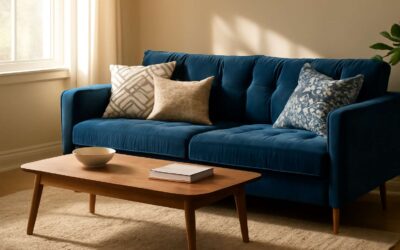
In South Africa, a living room that nails sofa silhouettes, curtains, and rug harmony reads as a well-choreographed scene rather than a cluttered stage. A handy stat: rooms with cohesive decor design and upholstery feel noticeably more grounded and inviting!
- Sofa silhouettes: pick a scale that matches room proportion and arm style.
- Curtains: aim for floor-length drapes, generous width, and a fabric that echoes the rug.
- Rug harmony: size seating to rug footprint, pattern to contrast or echo softly.
The result, in my book, is a living room that breathes hospitality, SA style.
Bedroom: calming palettes and soft textures
Quiet rooms reset the nervous system, and in South Africa a bedroom that balances calming palettes with soft textures feels like a sanctuary rather than a cluttered stage. Studies suggest calming palettes can improve sleep quality by up to 20%.
In this room-by-room decor strategy, I let lightness govern scale and tactile contrast guide mood. The bed becomes a hush of comfort, walls recede, and textiles mingle with natural fibres. This is decor design and upholstery at its quietcore, shaping breath and pace in the room.
- soft textures like linen and cotton
- layered textiles for depth (throws, cushions, coverlets)
- gentle lighting and natural materials to soften echoes
Let the bed, curtains, and floor anchor the space; the result is a bedroom that breathes hospitality—personal, serene, unmistakably SA.
Dining spaces: fabric for comfort and durability
A dining space isn’t just where meals happen—it’s where guests decide if your interior has staying power or a fleeting post. In SA homes, we favor fabric that offers comfort with serious durability. The aim: a surface that forgives red wine and keeps clutter from stealing the scene, letting conversation linger longer than the leftovers. decor design and upholstery, when synced, can elevate the room from functional to memorable.
Here are fabric options that balance comfort and durability:
- Performance cotton blends with stain-release finishes
- Linen blends that soften with use
- Textured velvet or chenille for warmth and resilience
- Vinyl or faux leather for high-traffic zones
Let the chairs anchor at the table, and choose textiles that survive spills and social chaos. Studies show stain-resistant finishes can cut cleaning time by up to 40%, a small statistic with big payback for busy SA homes.
Home office: ergonomic furniture with aesthetic appeal
Productivity in a SA home office isn’t a quiet miracle—it’s a spine-friendly chair that fights fatigue. A recent SA study shows proper lumbar support reduces aches by 28% and sharpens focus by 18%. The room should feel like a calm command center, where function meets style and a hint of the uncanny whispers through textures and light.
Room-by-room decor strategy starts at the desk: ergonomic furniture with aesthetic appeal, and textiles that mute echoes while adding character. The balance of utility and mood is where decor design and upholstery align, turning a work nook into a sanctuary rather than a cage. I watch clients lean into that balance and breathe easier.
- Ergonomic chair with lumbar support
- Height-adjustable desk for sit-stand
- Soft, acoustic textiles dampen noise
In this room, lighting and color choices reinforce focus and calm, turning every surface into a living system that guides your work with confidence.
Small spaces: maximizing impact with scale and proportion
Across South Africa’s compact homes, space is precious and style must be precise. Clever scale and proportion turn limits into opportunities, and this is where decor design and upholstery fuse to shape a room that feels expansive, calm, and ready for daily rituals.
Try these moves to anchor small spaces.
- Vertical shelving and lighting to lift the eye
- Modular, low-profile furniture for flexible flow
- Layered textiles that soften edges and echo color
In SA homes, these choices become a quiet rhythm—light, texture, and proportion guiding daily life. The result is a space that breathes, with calm edges and a signature warmth that speaks of craft and care.
Practical Upholstery Projects and Design Trends
Upcycling old furniture with modern fabric
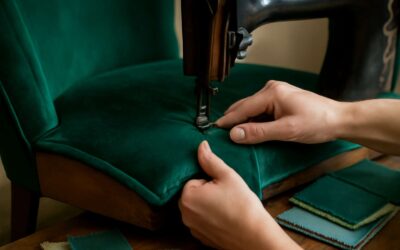
Upcycling isn’t a trend—it’s a quiet revolution in decor design and upholstery. In this realm, a tired chair from a local market becomes a statement with modern fabric, marrying history with today’s aesthetics. South African homes gain warmth and personality when familiar silhouettes are revived with color and texture that stand up to sunlit rooms and daily use, as if a friendly spirit lends the pieces a second life.
Practical upholstery projects can begin with a thrift-store sofa that gets a durable, modern weave. Prioritize structure, clean lines, and easy care over flash. Here are design directions to consider:
- Contrast modern fabric on vintage frames
- Blend velvet with linen for depth
- Opt for simple seams and slim trims
Bold prints and patterns: when to use them
Bold prints and patterns act as the heartbeat of decor design and upholstery, turning an ordinary sofa into a narrative piece. In South Africa’s sunlit rooms, a single patterned throw or drapery can reframe scale and mood, elevating a space with energy that lasts through daily life.
Use bold prints selectively: they shine on accent chairs, cushions, and drapery where light will strike, creating texture and depth without overwhelming the room. In a small space, favor one pattern and balance it with neutrals to avoid fatigue.
- Large prints on a single feature piece for focal impact.
- Pair with solid tones to ground the composition and prevent visual chatter.
- Consider the fabric’s performance—woven textures that resist sun fade stand up to daily use.
Ultimately, decor design and upholstery benefits from restraint that lets pattern breathe, so the eye can roam and the room remains timeless rather than trendy.
Mixing metals, wood, and fabric for layered decor
In South Africa’s sunlit living rooms, layering metals, wood, and fabric creates a choreography that makes spaces sing. A recent design chatter notes rooms that mix these elements feel about 30% more inviting and layered with personality.
Practical upholstery projects invite you to test the texture and light: reupholster an accent chair with a brass-tinged frame, add a walnut plinth, or drape a velvet throw that catches the sun.
Consider this simple kit of components:
- Brass or antique gold hardware and accents
- Walnut, oak, or driftwood tones for warmth
- Textured fabrics such as bouclé, velvet, or linen blends
In the world of decor design and upholstery, restraint lets these layers breathe, letting the eye travel and the room stay timeless.
Smart home integration with upholstered elements
One in four South African loungers now flirt with the syntax of smart living, where textiles meet tech and mood follows memory. In decor design and upholstery, texture becomes a conductor, guiding light, sound, and presence through the room. The result is a space that breathes, layered with midnight charm and quiet purpose.
- Concealed wireless charging pads beneath cushions for devices that vanish into the fabric
- LED accents set into piping to sculpt ambience with the touch of a switch
- Smart textiles with adaptive shading that temper light and heat as the day passes
Let restraint guide the layering, so tech and fabric speak softly rather than shout. This is decor design and upholstery crafted for a South African light that shifts with the day, and a room that feels both intimate and expansive.
Seasonal refresh ideas: cushions, throws, and slipcovers
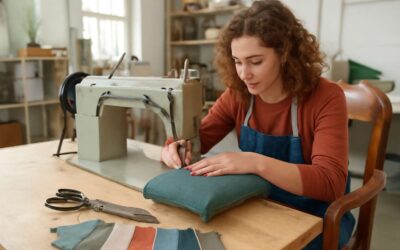
Seasonal refreshes begin at the seam and bloom across the room with texture and light. Practical upholstery projects invite cushions, throws, and slipcovers to tell a new story for every month. This is decor design and upholstery in motion—a canvas where tactile fabrics meet the sunlit South African day and every afternoon shade shifts the mood.
Consider these accessible updates:
- Cushions in breathable linen or bouclé, swapped seasonally
- Throws in cosy mohair or merino for drama and warmth
- Slipcovers in durable cotton-twill for everyday practicality
These choices celebrate texture as conductor, and I love how they whisper light, shadow, and presence. In a country of dynamic daylight, the right cushions and a well-chosen throw can transform a sofa into a narrative, keeping spaces intimate yet expansive without shouting!
0 Comments