
Cost and Budgeting for Reupholster vs Buy New
Upfront costs and long-term savings
In South African homes, hundreds of tonnes of furniture end up in landfills each year, making longevity a real concern. So, is it better to reupholster or buy new? The choice hinges on upfront costs and how long the piece stays useful in a busy home.
Upfront costs for reupholstery vs buy new vary widely. Reupholstery centers on fabric and labour, with a quick frame check. New pieces include fabric, delivery, and warranty costs that can surprise when budgets tighten.
- Reupholstery: typically cheaper upfront and highly customizable, but depends on fabric and frame integrity.
- Buy new: higher initial outlay with delivery, setup, and limited-time warranties.
Long-term savings come down to use and replacement frequency. Reupholstering can extend a well-built sofa’s life by years and curb waste, while a new piece might offer better energy efficiency and a fresh style that appeals to changing tastes.
Cost breakdown: materials, labor, and delivery
In rural South Africa, a well-loved sofa carries more memory than dust. The rhythm of daily life means a chair can outstay two seasons of fashion. The question ‘is it better to reupholster or buy new’ surfaces in every pantry chat and shopfront window—and the answer lives in a simple ledger of materials, labor, and delivery.
Budgeting begins with three ingredients: materials, labor, and delivery.
- Materials: fabric, foam, padding, and trims
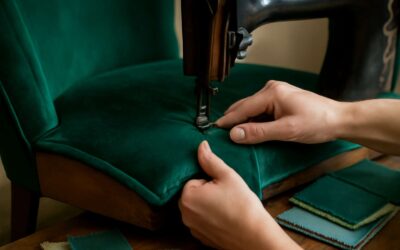
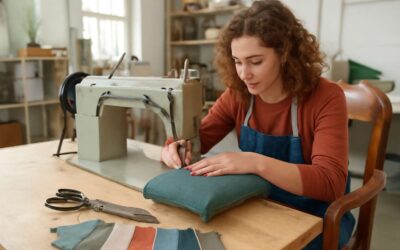
- Labor: time and skill to lift the old frame and sew new covers
- Delivery: transport and installation, especially in towns with tight access
Reupholstery often costs less upfront when the frame survives the years and fabric can be revived; new pieces add delivery charges and fresh warranties. The decision hinges on the frame’s condition and the pace of a busy home.
That budget-conscious calculus mirrors the rhythms of a rural kitchen and living room, where every choice carries memory as well as cost.
Financing options and price ranges
South African households tend to hold onto a beloved sofa for about 12 years, longer than the latest fashion cycle. The perennial question is is it better to reupholster or buy new? Budgeting for this decision mirrors a kitchen ledger—memory, fabric, and the occasional dramatic sigh of the cushions after a long week.
Financing options for reupholstery vs buying new vary, and price ranges reflect materials and craftsmanship. Here are common routes you’ll actually see in the market:
- Cash or debit for those who worship simplicity
- Retailer financing with fixed monthly terms
- Lay-by or installment plans offered by local upholsterers and stores
Rough ballparks: reupholstery can range from a few thousand rand to about R20k, depending on fabric and padding; buying new spans budget sets under R8k to premium pieces well past R25k. The choice hinges on the frame’s condition and how quickly the home’s rhythm shifts.
When to walk away: cost tipping points
Across South Africa, a beloved sofa is more than furniture—it’s a memory ledger, stitched with laughter and late-night conversations. The question remains: is it better to reupholster or buy new? The answer sings differently as fabrics and frames age in sunlight.
Cost tipping points act like gatekeepers. If a reupholstery quote edges toward the price of a fresh, comparable sofa, or if the frame shudders with age, it might be time to walk away.
- Frame integrity compromised beyond reasonable repair
- Fabric, padding and detailing push the total cost toward or above a new equivalent
- Delivery, assembly and warranty limits tilt the balance away from reupholstery
In the final reckoning, the rhythm of your room and your budget keep time with your memories.
Durability, Materials, and Quality: What lasts longer?
Frame integrity and upholstery quality
In rural South Africa, a well-loved chair is more than furniture—it’s a record of seasons, stitching, and stories on the veranda. A veteran upholsterer likes to say, “Durability is a memory you can sit on.” Those memories matter when you weigh lasting value and comfort, not just price.
Durability is rooted in frame integrity and the cushions that cradle your daily life, resisting the knocks of a busy homestead and the South African climate. When a piece keeps its shape, it carries more than weight—it carries trust.
- Solid hardwood or engineered frame with reinforced corners
- Reliable springs and proper tension to keep shape
- High-density foam cores with feather or fibre wrap
Materials and upholstery quality determine how long something lasts. Top-grain leather, performance fabrics, and tightly woven textiles resist wear when cared for, while the inner padding matters as much as the surface. Ultimately, is it better to reupholster or buy new for your family’s needs in a South African home?
Material options: leather, fabric, synthetic backups
“Durability is a memory you can sit on.” In rural South Africa, frame integrity and cushions that cradle daily life withstand the knocks of a busy veranda and changing seasons. When a chair keeps its shape, it carries trust—and with that comes the question is it better to reupholster or buy new. I’ve seen the memory live longest in a well-tended corner where laughter rests.
Materials and upholstery quality determine how long something lasts. Material options that endure include:
- Leather—top-grain for resilience and patina
- Fabric—high-density weaves and performance blends
- Synthetic backups—vinyl or faux leather for budget-friendly durability
Inside, the padding matters as much as the surface. High-density foam cores wrapped with feather or fiber keep cushions plump and supportive, even after years of daily use in a homestead that faced sun, rain, and laughter.
Warranty and service life predictions
Durability wears a life story on the veranda chair—the sun-baked leather, the weathered wood, the laughter that travels with the seasons. Across rural homes, a well-made chair endures five to seven seasons of sun and rain. The question is it better to reupholster or buy new, and it lingers where memories settle.
Materials that endure shape the choice: top-grain leather for resilience and patina, high-density fabric weaves that shrug off wear, and vinyl or faux leather as a budget-friendly ally. Each option ages with grace, especially when sun and rain mark the days.
Quality shows in the heart of the piece—frame integrity and cushions that cradle daily life. Warranty windows and service-life predictions hint at how long a chair will stand brave on a busy veranda, long after the last sunset.
- Frame integrity and joinery
- Cushion density and core materials
- Fabric grade and protection
- Climate exposure and maintenance
Environmental Impact and Sustainability
Furniture lifecycle and recyclability
South Africa’s growing green sensibility reframes furniture waste as a solvable problem rather than an afterthought. The environmental impact of a chair or sofa travels a lifecycle from resource extraction to disposal. A thoughtful reupholster preserves craft, reduces energy use, and spares timber and textiles from landfills—an act that honors heritage while guarding the planet. As the saying goes, “Waste not, want not”—a maxim guiding homes from Cape Town to Joburg.
People often ask is it better to reupholster or buy new—pondering provenance, durability, and recyclability. When a piece can be refreshed rather than replaced, the circular economy flexes its muscles, extending usable life and keeping textiles, foams, and metals within the local economy instead of draining landfills.
- Recyclability of components: springs, foams, fabrics
- Repairability and spare-parts availability
- Local SA recycling streams and refurbishing networks
Eco-friendly materials and certifications
In South Africa, every chair carries a memory and a carbon footprint. The environmental impact of a sofa travels from timber and foam to disposal, and a thoughtful reupholster can trim emissions while keeping craft alive. So, is it better to reupholster or buy new? Eco-friendly materials and certifications guide the choice, marrying heritage with responsibility.
Eco-friendly materials and certifications help steer the decision.
- FSC or PEFC timber for frames
- OEKO-TEX fabrics and low-VOC foams
- Recycled metal components and responsibly sourced leather
Local SA recycling streams and refurbishing networks weave a practical path that nourishes the circular economy and minimizes waste without compromising comfort.
Disposal and landfill considerations
In South Africa, a sofa carries a story in every seam and a footprint that travels from factory floor to landfill. is it better to reupholster or buy new? The question lingers like a fresh scent of timber and foam, inviting wiser choices.
Disassembly matters when the end of use beckons. Foam, timber, metals, and textiles each take a different path—some can be repurposed, some recycled, and some destined for the tip. Thoughtful choices here trim waste, reduce emissions, and keep skilled trades alive in our communities.
- Local SA recycling streams
- Refurbishing networks
- Responsible disposal partners
Aging gracefully vs quick replacement
In South Africa, furniture isn’t just décor; it’s a footprint you sit on. The question “is it better to reupholster or buy new” isn’t simple—craft, longevity, and local trades all tilt the scales. I’ve learned the real weight of a chair lies in its life cycle.
Aging gracefully is a sustainability choice! Extend the life of what you own, resist impulse purchases, and support local craftsmanship. When end-of-use arrives, foam, timber, metals, and textiles each take a different path—some repurposed, some recycled, some destined for landfill.
- Repurposed components
- Recycled materials
- Landfill alternatives
Linking into local ecosystems—Local SA recycling streams, refurbishing networks, and responsible disposal partners—helps keep emissions down and communities skilled. Aging furniture can outlive trends, proving that sustainability can be practical and political at once!
Practical Considerations: Time, Logistics, and Aesthetics
Downtime and delivery timelines
“is it better to reupholster or buy new”—a question many South Africans ask as they juggle downtime and budgets. Downtime becomes the real deal breaker, the silent calendar killer.
Time and logistics matter. A reupholster job typically keeps your piece out of service for three to six weeks, plus courier pickups and returns. Buying new can land in two to three weeks, but premium options stretch. For SA homes, expect holidays, regional quirks, and the odd load-shedding hiccup to nudge timelines, like a cameo from the delay gods.
- Reupholster: 3–6 weeks including pickup/delivery
- New purchase: 2–3 weeks or more for custom options
- Convenience vs. patience: factor in regional variations
Aesthetics-wise, reupholstering preserves patina and shape, while buying new offers cleaner lines and fresh fabrics. The choice hinges on how you want the room to read today versus tomorrow.
Design updates: color, style, and fit
Fact: seven in ten South Africans say downtime is the deal-breaker when refreshing furniture. It’s a clock you can’t cheat, I know—it’s not just a budget line.
Time and logistics drive the call. Reupholster typically takes 3–6 weeks, including pickup and delivery; buying new lands in 2–3 weeks, though premium options stretch. Holidays, regional quirks, and load-shedding add fresh delays.
Aesthetics and design updates shape the choice: color, style, and fit determine how the room reads today and tomorrow.
- Color story and fabric texture options
- Silhouette, scale, and seating comfort
- Durability vs patina: how the piece ages with use
So, is it better to reupholster or buy new? The answer hinges on downtime tolerance and the narrative you want for your space tomorrow.
Space and room planning during a remodel
Seven in ten South Africans feel downtime governs a furniture refresh, a clock that won’t be skipped. Time, logistics, and aesthetics tug at once: reupholster takes roughly 3–6 weeks with pickup and delivery; buying new can land in 2–3 weeks, though premium routes drift. Holidays and load-shedding add their own tremors to the schedule, turning a living room into a paused stage.
To navigate these currents, consider a few practical rhythms that keep space and schedule sane:
- Lock in delivery windows to minimize disruption
- Set up a staging zone to protect floors and walls
- Choose color and texture that deepen the room’s evolving narrative
Space planning during a remodel asks for measured hands and a patient eye: doorways must breathe, seating must flow, and the room’s focal mood should arise from a quiet, unified narrative. Let the aesthetic pieces—color story, texture, silhouette—walk beside function so the room ages with you rather than against you. So, is it better to reupholster or buy new?
Resale value and room resale considerations
In South Africa’s downtime-tight homes, timing a refresh becomes a quiet, almost haunting decision. The living room is a stage where comfort meets economy, and the clock rarely tilts in favor. So, is it better to reupholster or buy new, or does the hidden rhythm of space tell a different tale?
Resale value and room resale considerations hinge on finishes that hold, fabrics that wear gracefully, and the room’s overall narrative. Consider three anchors as the space evolves in a South African home:
- Finish integrity and colorfastness that survive daily living
- Fabric durability and stain resistance suited to lifestyle
- Proportional sizing and focal balance that preserve market appeal
These factors steer whether the next chapter will feel longer or shorter: aesthetics carry the sale; logistics keep the dream intact; time stamps the moment when a refresh becomes an upgrade that ages well with the room.
0 Comments