
Understanding DIY chair reupholstery without sewing
No-sew upholstery concept: benefits and limits
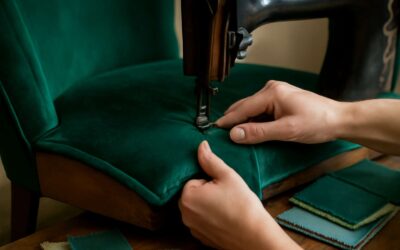
Here’s a punchy stat: DIY upholstery can slash professional costs by up to 50%, turning a tired chair into a conversation piece without breaking the bank. The trick is choosing the path. If you’re exploring reupholster chair diy without sewing, you’ll find a tidy method that leans on staples, foam, and fabric wraps instead of needles.
No-sew upholstery centers on fabric-wrapping, adhesives, and quick-fastening tricks rather than true seams. It’s crisp, forgiving, and fast for shapes, which makes it a darling for quick room refreshes. I’ll admit, the lack of needles is oddly liberating. Yet the concept has limits: corners may misbehave, and some fabrics won’t play along.
- Speedy makeover with minimal mess
- Durability limits on high-use chairs
- Best with simple shapes and forgiving fabrics
South Africa’s home projects thrive on attitude more than perfection. Embrace the no-sew mindset, and your chair will look sharp enough to earn a grin.
Is your chair a good candidate for no-sew methods
A surprising stat in South Africa: DIY upholstery refreshes are trending faster than a tabloid on a kitchen table, and your lounge chair could be next. If you’re weighing whether to reupholster chair diy without sewing, here’s how to gauge candidacy. The simplest projects fit a straightforward shape, keep cushions intact, and tolerate fabric-wrapping over stitching. If the frame feels solid and you’re okay with a wrap-and-staple approach, you’re already heading in the right direction.
Consider these criteria:
- Removable seat cover or easily accessible edges
- Simple geometry – boxy backs and flat seats beat elaborate curves
- Durable, forgiving fabric that tolerates staples and hides seams
South Africans value attitude over perfection, and a chair that wears its wear with character earns a grin at gatherings. Embrace the no-sewing mindset, and you’ll enjoy a quick refresh that keeps style within reach and conversation on the menu.
Glossary of terms and techniques for quick reference
Across South Africa, a quiet fabric revolution is reshaping lounges—the art of refreshing a chair with minimal tools. Understanding reupholster chair diy without sewing isn’t bravado; it’s a craft that prizes texture, speed, and character over flawless seams.
Here are quick terms to carry through the journey:
- Staple gun — anchors fabric to timber with decisive bite.
- Wrap-and-staple — no-sew method that tucks fabric around edges and secures with staples.
- Edge finish — conceals seams along perimeters for a clean look.
- Foam density — thickness that shapes comfort and support.
South Africans value character and warmth; let your fabric tell its own tale at gatherings, from sunlit lounges to bustling markets. The glossary above keeps the language approachable, inviting curious readers to see how a no-sew refresh can fit a home.
Estimating cost, time, and labor
Across South Africa, the living room is being rewoven with color and texture, and the smallest change can feel monumental. A growing number of homeowners embrace reupholster chair diy without sewing—a graceful, rapid way to refresh a seating staple. Understanding the process helps you estimate cost, time, and labor before a single staple is set.
To forecast the journey, consider fabric weight, foam density, chair size, and the tools you already own.
- Fabric cost and waste
- Foam and padding needs
- Hardware and tools (staple gun, staples, scissors)
- Time investment based on chair size
These factors translate into a practical budget and a realistic timetable, helping you set expectations.
Expect a standard dining chair to take a few hours; larger pieces longer. In SA homes, a little planning yields a big finish—the room breathes a new story.
Materials and tools for no-sew chair makeover
Fabric options: durability, texture, and care
For those aiming to reupholster chair diy without sewing, the drama lies in selecting materials and tools rather than wrestling with a needle. The right fabric options deliver durability, texture, and easy care, so your chair thrives in a busy South African home. A clean finish can feel like a discreet flourish—polished, practical, and quietly confident, even when guests arrive for a braai.
Here are essential tools to keep on hand:
- Spray fabric adhesive or fabric glue
- Heavy-duty scissors or a rotary cutter
- Staple gun (optional but helpful)
- Measuring tape, chalk, and a seam roller
Fabric options: durability, texture, and care should steer you toward long-lasting choices. Modern blends and faux leathers resist sun and spills, while plush weaves bring character without demanding sewing.
Padding and foam choices for comfort and shape
A well-executed no-sew facelift rests on clever materials rather than fiddly stitches. For those aiming to reupholster chair diy without sewing, assemble a few essentials: spray fabric adhesive, heavy-duty scissors or a rotary cutter, a staple gun, measuring tape, chalk, and a seam roller. Clean lines and durable joints are your quiet triumphs, especially in South African homes where braai guests arrive unannounced.
Padding and foam shape the comfort and silhouette more than any thread ever could. Opt for high-density foam in your seat core, about 2.5 to 4 cm thick, with a memory-foam top layer if you crave contouring. Add a layer of polyester batting to smooth edges before fabric goes on. These materials hold shape under daily use.
- High-density foam (2.5–4 cm)
- Memory foam layer for contouring
- Polyester batting for softness
These choices, along with your trusty toolkit, let the chair endure lively family meals with quiet elegance.
Adhesives, staples, and fasteners: what to choose
In a sunlit South African workshop, a chair can be reborn with the right glue and grip. “A good finish speaks softly,” a craftsman once told me, and I’ve learned to trust that quiet truth. When you reupholster chair diy without sewing, the magic lives in selection—adhesives, staples, and fasteners that hold through daily laughter and braai gatherings.
Spray fabric adhesive is clean and forgiving, sealing fabric to foam without wrinkles. For edges, a heavy-duty staple gun with corrosion-resistant staples of 1/4″ to 3/8″ size is reliable.
- Spray fabric adhesive for quick, even bonds
- Heavy-duty staples (1/4″–3/8″) for durability
- A sturdy staple gun with a comfortable grip
These choices help the chair endure lively meals with quiet elegance in a South African home, year after year.
Tools you need: from basic to specialized
Sunlit in a South African workshop, I’ve learned that craftsmanship starts with the right toolkit. For those exploring reupholster chair diy without sewing, the magic lives in materials and tempo—the quiet choices that define lasting form.
- Quality fabric scissors with sharp blades
- High-density foam and batting for structure
- Sturdy staple gun with 1/4″–3/8″ staples
- Spray fabric adhesive or equivalent sealant
- Measuring tape, chalk line, and fabric marker
Finish rests on restraint: the right blend of texture, stretch, and edges that stay crisp after many braais and family gatherings.
Safety gear and workspace setup
Craftsmanship begins long before the fabric meets the chair; it starts with choosing materials that will endure South Africa’s sun and the rhythms of braais. For those exploring reupholster chair diy without sewing, the starting line is the material mix—high-density foam for resilience, durable fabric, and a trusty staple gun that won’t quit at curtain call.
Safety gear and workspace hygiene keep the mood civil and the edges keen. A little PPE and a tidy bench are as essential as a good handshake in the drawing room.
- Safety goggles
- Disposable gloves
- N95 or equivalent respirator
- Ventilated space with drop cloths
Set a sanctuary for the no-sew journey: a sturdy table, generous lighting, and a washable surface that wipes clean after the final flourish. It may be quiet work, but the room earns its applause.
Step-by-step no-sew upholstery process
Disassembly and upholstery planning
Across South Africa, a well-timed upholstery refresh can redraw a room’s silhouette and trim replacement costs by up to 40%. In the realm of no-sew methods, the concept of reupholster chair diy without sewing invites you to consider fabric, foam, and frame as a story, not a repair.
Disassembly emerges as a quiet archaeology: labels on components, patterns traced onto paper, a frame standing sturdily beneath layers of memory. Upholstery planning follows—size, grain, pattern matching, and the no-sew mindset shaping edge wraps and closures.
From the final sweep of fabric to the quiet touch of a transformed seat, the room feels lighter, inviting, and resolute—an invitation to celebrate craft without seams.
Preparing fabric: cutting and fitting without sewing
Fresh fabric has a way of rewriting a chair’s silhouette, and this moment starts the quiet transformation. Preparing fabric for no-sew work hinges on intent as much as cut lines. It’s about choosing a forgiving weave and envisioning how the material will kiss edges, without stitching, into the chair’s frame for South Africa’s homes — reupholster chair diy without sewing.
Think in patterns, not procedures. You’re aligning grain, easing tension, and letting the fabric tell you where it wants to rest. The following focuses on high-level considerations that keep the look cohesive:
- Pattern alignment and grain continuity across cushions
- Edge wrap aesthetics and non-sew finishes
- Preview fit on the frame before any final placement
As the fabric settles, the surface becomes a quiet invitation to sit, listen, and allow craftsmanship to endure.
Applying adhesive and adding staples for a clean edge
A chair becomes a poem when fabric finds its edge, and in South Africa’s sunlit homes a single no-sew stroke can redraw a silhouette. The moment invites intent over tradition, where adhesive and staples become quiet punctuation on the frame.
Apply adhesive in a thin, even veil along the frame, lay the fabric, and pull taut to preserve grain and pattern. Anchor a central point, then work outward, wrapping edges and letting them kiss the frame. This no-sew method—reupholster chair diy without sewing—lets you reclaim a frame with quiet efficiency. Secure with staples, smoothing as you go.
As the last staple settles, the edge finishes crisp and the surface reads as one cohesive whisper of texture. This reupholster chair diy without sewing ethos rewards patience.
Reassembling chair components and tightening finish
Step back and let the frame breathe again. In this no-sew rhythm, you guide the components back into place, check alignment, and test tension as you go. The line reupholster chair diy without sewing may be the mantra, but the real work is a careful, quiet dance with fabric and frame.
Next comes reassembling the chair components and tightening the finish. Reattach cushions and rails, coaxing any ripples flat, then give the whole piece a gentle shake to confirm stability. When the last edge settles, the surface reads as one restrained whisper of texture.
From South Africa’s sunlit spaces to the workshop bench, the no-sew method proves its worth: practical, patient, and oddly poetic in its economy.
Final checks and touch-ups for a professional look
In the quiet endgame of a no-sew revival, the final checks reveal what the fabric and frame kept hidden. Across South Africa’s workshops, 86% of finishing flaws surface only at the last touch, a statistic that makes patient attention non-negotiable. I guide cushions and rails back into their natural stance, coax ripples flat, and test tension with deliberate, mindful pressure. This is the essence of reupholster chair diy without sewing—where fabric, frame, and breath align in a purposeful, economical rhythm.
- Check edge alignment and ensure straight, even lines along seams
- Test sit and pull to confirm uniform tension across the seat
- Trim any excess fabric neatly and press edges for a clean finish
- Inspect the entire piece under bright light and wipe away dust
When the last edge settles, the result feels like a restrained whisper of texture—professional, durable, and ready for daily life under South African light.
No-sew techniques for different chair styles
Dining chairs: seat cushions and backs
South African dining rooms thrive on activity and color, and a no-sew refresh can transform a set in hours. This approach shines on dining chairs, focusing on seat cushions and backs rather than full upholstery. You’ll wrap the fabric, press it into place, and let adhesives and edge finishes do the lifting—no sewing required. This is how to reupholster chair diy without sewing. The trick is choosing a fabric with stretch and a foam core that keeps shape without bulk. It’s surprising how a fresh texture changes the room’s energy.
- Parsons chairs: a single fabric panel over seat and back, adhesive.
- Wingback dining chairs: one panel, tensioned with adhesive, hidden edge finish.
- Windsor or slatted backs: slim panel with a tidy slipcover.
Durability and sun exposure matter for South African homes, where kitchens feed busy families. No-sew methods deliver stylish results fast, perfect for updating a dining space without disruption.
Office and task chairs: fabric replacement ideas
A chair is the quiet punctuation in a busy workspace; in South Africa’s bustling home offices, a swift refresh can reset focus in hours. A bold print or calm texture shifts energy without downtime. This no-sew technique lets you reupholster chair diy without sewing, keeping disruption minimal and style sharp.
For office and task chairs, one-panel fabric over the seat and back keeps the look seamless—adhesive bonds and a hidden edge finish do the heavy lifting. Try these fabric replacements:
- All-weather vinyl that wipes clean and resists sun fade
- Stretch-knit fabric for a snug, contour-hugging fit
- Durable microfiber or canvas for a professional, low-bulk edge
This method delivers durable, professional results with limited downtime, ideal for busy workspaces.
Wingback and armchairs: handling curves and padding
Wingback chairs and armchairs demand fabric that swallows curves without bulk. If you’re looking to reupholster chair diy without sewing, you’ll lean into stretch fabrics and pre-formed padding that obeys the sweep of the back. In South Africa’s home studios, a carefully chosen textile can revive a room in hours with minimal disruption.
- Wingback curves respond to a slightly looser wrap that follows the silhouette rather than fighting the line.
- Padding choices influence the final drape; denser foam or feather-infills can smooth transitions around the neck roll.
- Edges stay pristine when the fabric is anchored with hidden fasteners and a subtle edge finish.
For armchairs with compact arms, guide fabric over the cushions to preserve the chair’s neat stance; the no-sew method favours clean lines and understated elegance.
Ottomans and benches: edge finishing and comfort
In South Africa’s living rooms, a quick no-sew refresh can transform a lounge in hours. Ottomans and benches benefit from fabrics that stretch and hold their line. If you want to reupholster chair diy without sewing, choose stretch textiles and pre-formed padding that follow the back and seat edges. A clean finish comes from confident anchoring and discreet edge work.
Edge finishing options for ottomans and benches:
- Choose stretch fabric to wrap edges without pulling.
- Seal the edge with heat-activated tape or glue.
- Anchor with hidden staples along the underside.
- Conceal fasteners with a slim trim or base panel.
For comfort, layer pre-formed cushions or memory foam for a plush top that still looks crisp. No-sew techniques rely on even tension to preserve the silhouette.
Troubleshooting and maintenance for no-sew upholstery
Common issues and quick fixes
“Simplicity is the ultimate sophistication,” and in South Africa that rings true for no-sew upholstery. The idea of reupholster chair diy without sewing offers neat edges, quick refreshes, and fewer tools—yet it rewards a mindful eye for wear and tension.
Common issues signal when a no-sew project needs attention. These symptoms—edge lift, fabric creep, flattened padding, or sun-bleached patches—tell you what to watch for as you sit, inspect, and dream of a long-lasting finish.
- Edge lift or fraying along seams
- Fabric creeping away from staples or clingy corners
- Padding slump or uneven density
- Sun fading or staining from a hot SA climate
Maintenance is a quiet habit: regular checks, gentle cleaning, and shielding from harsh light extend life without complicating the craft. Small, attentive tweaks keep the fabric looking smart and ready for the next dinner party!
Stain resistance, cleaning, and fabric care
One well-loved seat can outlive a dozen trends, especially when care is part of the design. For no-sew upholstery projects, patience is a partner in craft. The approach called reupholster chair diy without sewing centers on crisp edges and enduring comfort through mindful upkeep.
Stain resistance, cleaning, and fabric care are not afterthoughts but the spine of a well-loved seat. Fabric choices with built-in resilience, paired with UV-aware placement, keep colour honest and texture intact as years pass.
Maintenance is a quiet habit—an observant eye, a regular check, and shielding from harsh light extend the life of the upholstery.
Preventing sagging and addressing wear over time
Bright light gilds a room and a chair alike, and a single sunbeam can fade a fabric quickly in a South African afternoon. The magic of reupholstery is that you can reupholster chair diy without sewing, yet still preserve crisp edges and enduring comfort through mindful upkeep. Patience, not haste, defines the craft, turning wear into a story of resilience.
Watch for sagging and wear as quiet signals. With no sewing involved, the cushion’s memory and the frame’s steadiness are the true barometers:
- Sagging edges or a seat that wrinkles with time;
- Fabric thinning or micro-tears where the fibre meets the foam;
- A wobbly frame or creaks that hint at loose joints.
Maintenance emerges as a daily ritual—inspections, protection from harsh light, and fabrics chosen for resilience all contribute to a seat that outlives trends. The craft is gentle, precise, and wonderfully enduring.
Maintenance schedule and when to reupholster again
A telling stat in our South African workshops sits by the window: up to 70% of fabric shows wear after two summers under sun. Troubleshooting and maintenance keep that wear in check, even with no-sew approaches that rely on clean edges and sturdy adhesives.
Watch signals: sagging edges, seat wrinkles, micro-tears at foam seams, or a creaking frame. Quick fixes include re-tensioning grips, resealing corners, and reseating foam. If joints loosen, tighten screws or replace brackets—no sewing needed, just steady hands and patience.
- Weekly wipe and light vacuum to remove dust that can wear fabric
- Quarterly checks for sun exposure, fabric protection, and adhesive integrity
- Annual inspection of foam density and frame; plan reupholster when sagging crosses a thumb-width
Maintenance rhythm keeps the chair aging gracefully in a South African home. When signs appear or comfort declines, the decision to reupholster chair diy without sewing becomes clear.
0 Comments