
Understanding Automotive Seat Upholstery
What is automotive seat upholstery
Your car’s interior is more than looks. It carries you through South Africa’s sun and long highway hours. Worn seats dull comfort and resale value. Understanding automotive seat upholstery helps. It makes reupholster vehicle seats a straightforward choice. We blend style with practicality. We select fabrics, foams, and coatings that resist fading, sweat, and daily wear. This keeps every drive comfortable and confident.
- Fabric options tailored to SA heat and UV exposure
- Durable foam and padding for lasting support
- Sturdy seams and fasteners to withstand daily use
Durability meets design when the right upholstery is chosen. We source locally, fit precisely, and ensure the finish looks new longer—and your passengers notice the difference.
Materials used in car seat upholstery
In South Africa, the sun isn’t just bright—it’s demanding. UV exposure can degrade upholstery up to 40% faster than cooler climates, shortening the life of every seat. Understanding automotive seat upholstery materials helps you choose with intention, especially when reupholster vehicle seats to balance comfort and endurance.
Materials range from genuine leather and high-grade vinyl to performance fabrics and blended textiles. Leather offers luxe feel and longevity when treated; vinyl provides a budget-friendly, wipe-clean option; fabrics can be engineered for breathability and fade resistance. Foam cores—dense, layered, and supportive—work with covers to sustain shape over miles.
- UV resistance and colourfastness
- Moisture management and breathability
- Abrasion resistance and seam durability
Choosing well means every drive carries both comfort and character, year after year.
How seat construction affects reupholstery projects
In South Africa, UV fatigue can degrade upholstery up to 40% faster than cooler climates, a sunlit truth the seats never forget. Understanding seat construction matters when you reupholster vehicle seats, because the way foam, covers, and the frame harmonize dictates comfort, endurance, and quiet confidence behind the wheel.
- Foam arrangement: density, layering, and contouring that hold shape under heat and weight
- Cover attachment and seam architecture: how fabric is anchored and where stitching sits against bolsters
- Integral components: airbags, heaters, and rails that constrain or guide upholstery work
Read the seat’s anatomy—shell, foam, and cover—and glimpse the artistry behind a stable, elegant finish as you reupholster vehicle seats. Durban summers and Cape Town commutes breathe with grace.
Cost factors and budgeting for a project
In South Africa’s sun-drenched highways, UV fatigue can degrade upholstery up to 40% faster than cooler climates—a sunlit truth the seats never forget. Understanding cost factors helps when you reupholster vehicle seats without sacrificing safety or comfort. The journey from foam to fabric is a careful artistry of form and finish.
Key cost factors include:
- Materials and finishes (fabric, leather, vinyl) and colour matching.
- Labor time for contouring, seams, and checks for safety components.
- Foam quality, frame condition, and any repairs needed for longevity.
Budgeting this project means balancing aesthetics with durability. The price you pay for reupholster vehicle seats reflects climate resilience, safety considerations, and the quiet confidence of a seat that remains elegant after Durban summers and Cape Town commutes.
Tools and Materials for Car Seat Upholstery
Essential tools for upholstery work
In South Africa, a refreshed interior can lift resale value by up to 25%, a statistic that keeps workshops honest and eyes bright. The right tools carry the texture of craft, turning dust into durability and labor into poetry.
- Heavy-duty staple gun
- Hog-ring pliers
- Sharp upholstery scissors
- Upholstery needle and waxed twine
- Seam ripper
- Chalk or fabric marker
- Foam knife or serrated blade
- Spray adhesive or contact cement
To reupholster vehicle seats, essential tools harmonize with patient hands. The kit above anchors precision, while a steady rhythm keeps stitches true and edges neat, even under South African sun.
Fabric and material options for seats
Sun-baked interiors meet their match in the right tools and patient hands. The kit I reach for turns stubborn foam into lasting comfort and keeps stitches true long after the last sunset drive. In South Africa, a refreshed cabin can lift resale value by 25%, and that sparkle begins at the bench where craft meets material choice as you reupholster vehicle seats.
Here are fabric and foam options that quietly redefine seat mood:
- High-density foam (35–45 kg/m3) for cushion support
- Layering with batting to sculpt shape and add plushness
- Leatherette or vinyl, fabric, or performance microfiber for durable skins
- Waxed thread or upholstery-grade twine for strong seams
- Spray adhesive or contact cement to secure foams and underlays
With a careful cadence, lines meet light and the seat becomes a story of comfort, craft, and road-ready style.
Adhesives, threads, and fasteners
Across South Africa’s roads, a refreshed cabin can lift resale value by as much as 25%. The right tools and materials for upholstery adhesives, threads, and fasteners do the heavy lifting behind that shine. The aim is a bond between foam, fabric, and the frame that endures sun, dust, and daily use.
Adhesives form the backbone, balancing strength with fabric compatibility. Spray adhesives give quick tack for foam and underlays, while contact cement locks vinyl or leatherette skins in place. In hot climates, choose heat‑resistant formulas with proper VOC limits, and always test a scrap first. All of this matters when you reupholster vehicle seats.
- Spray adhesive
- Contact cement
- Waxed thread
- Upholstery-grade twine
- Hog rings and pliers
- Upholstery staples or rivets
Threads and fasteners keep seams true. Waxed thread resists fraying under stress; choose heavy‑duty needles for durability. Fasteners like hog rings secure edges without puckering, while staples and rivets anchor corner blocks. The right mix preserves comfort and form through years of sun and road noise.
Safety gear and protection during the project
78% of workshop injuries are preventable with proper safety gear, a stark reminder that PPE isn’t optional on a car project. When you tackle car seat restoration, gloves, eye protection, and good ventilation keep progress steady and costs down.
- Eye protection (safety goggles or face shield)
- Cut-resistant gloves or heavy-duty work gloves
- Respirator or dust mask for solvents and foam particulates
- Hearing protection in noisy workshops
- Protective clothing or coverall to keep fabrics and skin clean
- Non-slip, closed-toe footwear
In South Africa’s heat, breathable apparel and ventilation matter as much as protection from foam dust and solvents. Safety gear matters for anyone who reupholster vehicle seats; it blends comfort with protection, letting you work longer without fatigue.
Measuring, patterns, and cutting basics
One industry stat puts mismeasured patterns responsible for up to 68% of reupholstery errors. Measuring, patterns, and cutting form the quiet backbone of car-seat work. When you reupholster vehicle seats, accuracy is non-negotiable, even in hot South Africa workshops. A flexible tape measure, pattern paper, and tailor’s chalk help capture the seat’s contours without guesswork.
Seam alignment and finish rely on stable tools and simple materials, chosen for reliability in bustling workshops. Think pattern paper, marking chalk, and sharp cutting implements that hold true through long sessions. The goal is clean lines and faithful reproduction of the original silhouette, with finish that lasts.
- Measuring tape or ruler
- Pattern paper or parchment
- Chalk or fabric marker
- Scissors or rotary cutter
- Pattern weights or clips
Step-by-step Guide to Automotive Seat Upholstery
Planning and removing seats safely
Behind every successful seat project lies planning that feels almost musical. A seat isn’t just fabric and foam; it’s a memory on wheels. In South Africa’s sun-warmed cabins, we honor that memory by charting every angle, anchor, and expectation before the work begins.
- Clarify goals and scope, noting which seats, patterns, or stitches deserve revival.
- Identify safety-sensitive connections and anchors, creating a plan that minimizes movement during removal.
- Schedule the workflow with time buffers to accommodate fabric choices and reassembly considerations.
- Document decisions and take reference photos for seamless reassembly when you reupholster vehicle seats.
In truth, when we reupholster vehicle seats, we weave resilience into fabric and memory into the ride, a quiet promise to every dawn on SA highways.
Disassembling seat components and prepping for new fabric
When the day opens like a sunlit seam, we treat seat disassembly as a careful duet. In South Africa’s sun-warmed cabins, memory matters as much as material. To prep for the new fabric, we map the sequence, honoring every anchor and stitch. The idea of reupholster vehicle seats becomes a vow to the ride and its stories.
- Document and map components, ensuring every anchor knows its home
- Label and set aside fabric panels, keeping patterns intact
- Prepare a clean workspace that shields the seats from dust and misplacement
- Review foam and coverings for wear, guiding the choice of next fabric
From there, attention remains on memory and comfort, bridging old wear with new textures, the ride kept faithful to the road ahead!
Creating patterns and cutting fabric accurately
Step-by-step Guide to Automotive Seat Upholstery unfurls like a suspenseful scene beneath a sun-warmed South African sky. Creating patterns and cutting fabric accurately demands patience, a steady hand, and a memory that refuses to fade as chalk lines trace a story onto leather and cloth, helping you reupholster vehicle seats.
The practical rhythm follows a measured arc:
- Chart the seat silhouette on pattern paper, aligning contours with the foam’s gentle curves.
- Sketch seam lines and allowances as conceptual guides, preserving pattern integrity and texture balance.
- Translate the pattern to fabric, ensuring panels align with texture and grain before any fitting notes.
From there, the memory of the ride guides every stitch, a quiet vow to harmony between old wear and new texture, keeping the journey faithful to the road ahead.
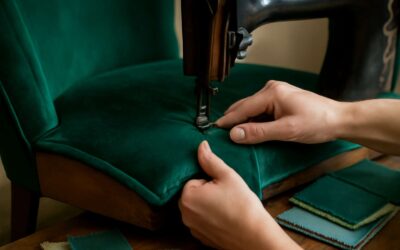
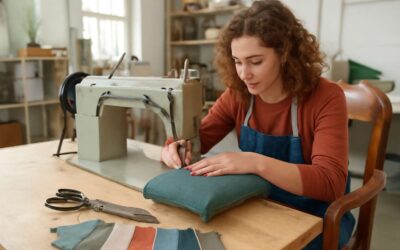
Sewing, fitting, and assembling seat covers
The workshop hums like a forge of memory in a South African workshop under a sun that refuses to fade. For many, to reupholster vehicle seats is not mere repair but revival—where sun-warmed leather or durable fabric becomes a new chapter in comfort and character.
- Stage 1: Alignment and texture harmony — ensure the new cover mirrors the seat silhouette and foam’s gentle curves.
- Stage 2: Fit and seam management — preserve balance of tension, keeping panels flush and seams even.
- Stage 3: Assembly and validation — fit the cover to the frame and conduct a quiet, thorough check for smooth operation.
When the needle’s lullaby settles, the road itself seems to wink in approval. You’ve learned to reupholster vehicle seats with patience and a storyteller’s eye, turning idle frames into chairs that cradle memories and welcome the next horizon.
Final checks, adjustments, and care tips
Sun-kissed workshops hold a quiet truth: final checks turn a stitched memory into a seat that feels new again.
These checks ensure the cover mirrors the chair’s shape and the foam’s gentle curves; the last pass of thread carries the story forward. This is where the craft of reupholster vehicle seats shines.
- Seams sit flush and evenly, with no pull at the edges
- Fabric or leather drape over the foam as the silhouette intends
- Hardware and rails move smoothly without catching
Care tips: Keep it clean with a soft cloth, guard against the South African sun and heat; routine inspections preserve the revival.
Design and Finish Options for Automotive Interiors
Choosing fabric, vinyl, or leather and durability considerations
Interior aesthetics steer value—an industry note pegs upgrades to as much as 30% resale boost. A well-tuned cabin whispers of care, even when the road is rough! The mood you set begins with light, color, and texture.
Design and finish options hinge on fabric, vinyl, or leather, each with a shadow of durability. When you reupholster vehicle seats, you weigh feel, maintenance, and climate resilience. Fabric offers comfort; vinyl resists moisture but can feel stiff; leather ages with patina, demanding gentler care. I weigh these by how they age under South Africa’s sun.
- Abrasion resistance for daily use
- UV stability to curb fading in sunny climates
- Ease of cleaning for dusty roads
Finish should blend with trim and daily travel, feeling like a second skin that ages gracefully amid heat and dust.
Color palettes, textures, and stitch patterns
South Africa’s sunlit mornings demand interiors that age with grace. A well-chosen scheme can lift perceived resale value by up to 30%, and that optimism sticks around long after the engine cools. When you reupholster vehicle seats, color palettes, textures, and stitch patterns become the quiet ambassadors of personality and resilience.
Color palettes should speak to climate and cabin light—think sun-warmed neutrals or tasteful accents that avoid glare. Textures influence comfort and wipe-down ease; stitch patterns whisper craftsmanship. Palette options:
- Earthy beiges, warm greys, charcoal, or bold citrus for personality
- Smooth vinyl, soft woven fabric, or supple leather with forgiving patina
- Stitch motifs: straight-line quilting, cross-stitch, or geometric topstitch
All together, these choices craft an interior that ages gracefully amid heat and dust while keeping the cabin looking sharp through many miles.
Maintenance, waterproofing, and stain resistance options
Across South Africa’s sun-scorched highways, interiors can fade up to 40% faster than counterparts kept in shade. The cabin is a quiet arena where beauty battles wear, and a well-chosen design and finish can keep color and texture aging with grace as the miles accumulate. Maintenance acts as a shield—waterproofing and stain resistance stand guard against spills, dust, and sun, letting the seats keep their aura of durability.
- Water-repellent topcoats for fabrics
- Hydrophobic leather finishes with forgiving patina
- Stain-resistant sealants for quick wipe-downs
Choose finishes that balance aesthetics with resilience: UV-stable dyes keep hues true, breathable underlayers prevent cracking, and coatings deter moisture without a tacky feel. These choices guide you as you reupholster vehicle seats with confidence, transforming a practical upgrade into a statement of character!
Personalization ideas for a unique look
In SA’s sun-drenched highways, interiors can fade up to 40% faster than in shade, a reality that makes design a form of armor. When I reupholster vehicle seats for clients here, I’m not just swapping fabric; I’m scripting a lasting look that travels. UV-stable dyes, breathable underlayers, and coatings that deter moisture keep color honest without a tacky afterfeel.
- Bold contrast stitching for silhouette and durability
- Piping accents to frame seat shapes
- Perforation patterns for airflow and sophistication
- Subtle embroidery or branded motifs
Finish choices should feel purposeful, not fussy—texture and seam lines guiding the eye as light shifts. The result: a bespoke interior identity that ages with grace and travels with confidence.

0 Comments