
Understanding Your Upholstery Options
Choosing between reupholstery and slipcovers
Comfort clings to a room like a shadow, and the choice to reupholster or slipcover isn’t merely a facelift—it’s a pact with memory. I’ve watched chairs endure winters and sunlit storms alike! In South Africa, roughly 8 in 10 homes renew furnishings instead of replacing them, a quiet testament to sagas woven into fabric.
Here are realities that shape the decision:
- Durability and fabric compatibility with daily wear
- Aesthetic goals—tone, texture, and pattern alignment
- Timeline and budget—how long you can live with a renovation
Whether you choose one path or the other, the piece survives into the next season of life, bearing character rather than fatigue, and inviting visitors to lean in and listen to its quiet history.
Cost factors and time investment
Costs in upholstery are a quiet weather, shifting with fabric grade, labour hours, and the chair’s backbone. Your choice to reupholster or slipcover shapes the invoice and the pace—two paths, one fate. In South Africa, skilled hands knit decades of craft into a single piece, and the final sum tips with pattern ambition and seat depth. A simple slipcover can alter the mood in days; a full reupholster asks for patience and a longer breath—I’ve seen it shape rooms. The true price wears many guises, from foam refresh to thread count, from removal to installation, all under the shadow of time.
- Fabric grade and durability vs. daily wear
- Foam replacement and seating comfort
- Pattern matching, alignment, and aesthetic goals
- Lead time and contractor scheduling
Time is a patient companion. A reupholster job might span weeks; a slipcover—days. Either way, the room learns a new cadence, bearing its quiet history.
Longevity and wear expectations
A single chair can outlive two trends and still tell the room’s secret. In South Africa, fabrics endure sunlit days and bustling lounges, testing character as years pass. When you weigh reupholster or slipcover, longevity and wear become your compass, guiding choices that balance beauty with practicality.
- Fabric durability versus daily life and sunlight exposure
- Foam aging, support, and continued seating comfort
- Pattern matching, grain alignment, and visual cohesion
Time writes its own narrative on upholstery—textures mellow into quiet luxury, or keep a crisp memory under soft light. The room learns a new cadence, and the piece reveals whether it remains a cherished guest or a steadfast anchor in living spaces.
Aesthetic outcomes: look, feel, and customization
Understanding Your Upholstery Options begins where mood meets material. In South Africa’s sunlit rooms, the right choice balances drama with practicality. Aesthetic outcomes—look, feel, and customization—aren’t mere vanity; they’re the coordinates that tell your furniture’s true story when the lamp is low and the room grows quiet.
Weigh how texture and tone translate light into mood and touch into memory. The customization options—from weave weight to finish—shape personality. Consider these facets:
- Look: silhouette, color depth, gloss or matte finish
- Feel: hand, weight, drape
- Customization: trim, piping, cushion density
- Coherence: pattern alignment and grain flow
Ultimately, your choice to reupholster or slipcover lets the space breathe differently, preserving memory yet inviting renewal!
Materials and Fabrics for Reupholstery
Selecting fabrics by room and usage
Fabrics are the calendar of a room—they mark the seasons with color and resilience. Whether you reupholster or slipcover, you invite a material that will bear daily life, sunlit hours, and the chorus of family chatter. In South Africa’s warm climate, durability, fade resistance, and easy cleaning become practical art.
From sun-drenched patios to cozy lounges, selecting fabrics by room and usage guides a timeless choice. Consider these families for sensible performance:
- Performance fabrics: Sunbrella, Crypton, microfiber—built to resist stains and fading.
- Leather and faux leather: durable, wipe-clean surfaces for high-traffic areas.
Let the weave tell the story; tone, texture, and weight become notes in a larger melody you live with as you reupholster or slipcover.
Durable options for high-traffic furniture
Durability is the new luxury for high-traffic furniture. In South Africa, where sun and daily use collide, the right fabric stays brave and bright longer. Whether you reupholster or slipcover, choose textiles built to withstand spills, sun fade, and busy family life.
Consider these durable fabric families for high-traffic pieces:
- Sunbrella: solution-dyed acrylic with excellent fade resistance
- Crypton: stain- and odor-resistant performance
- Microfiber: tight weave that cleans easily
- Leather and faux leather: wipe-clean, durable against wear
Weave, weight, and finish matter as much as color. In sunlit South African lounges, a tight weave with built-in protection keeps cushions looking new through season after season. These durable options support a calm, practical rhythm for your space without compromising style.
Sustainability and fabric certifications
Textiles are the quiet footprint of a room—one metre at a time. In sun-bright South African homes, the fabric you choose shoulders the heat and the bustle, turning thread into a story that lasts. Sustainability and responsible sourcing elevate every project, making spaces calmer, more resilient, and truly reflective of everyday life!
Look for fabrics with certifications that guarantee safer dyes, lower chemical impact, and recycled content. Your decision to reupholster or slipcover should align with fabrics backed by reputable certifications.
- OEKO-TEX Standard 100
- Global Organic Textile Standard (GOTS)
- Global Recycled Standard (GRS)
Color, texture, and pattern decisions
Sunlight writes the room’s memory, and color decides how long that memory lasts. In South Africa, fabric is the quiet engine of mood and resilience, shaping everyday life with subtle, undeniable force.
Materials and fabrics offer more than looks. For color, earthy neutrals and saturated blues age gracefully in sunlit rooms. Texture matters—velvet, linen, or durable microfibers add warmth and practicality. Consider these materials:
- Velvet for drama and depth
- Microfiber for durability and easy cleaning
- Linen for breathability and patina
- Performance blends for stain resistance
Pattern choices should harmonize with space and use; scale and weave determine how wear shows. In the end, the decision to reupholster or slipcover seals the room’s memory.
Pad and frame compatibility basics
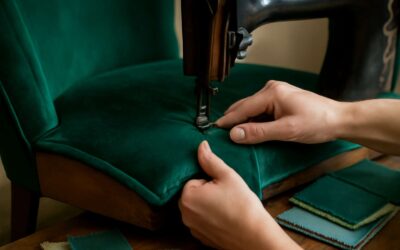
Sunlight writes memory on every seam, and in South Africa that memory is held by a sturdy frame. The pad and the frame are the quiet engine of renewal—together they decide how long comfort lasts and how gracefully it ages. When you weigh options, remember: reupholster or slipcover begins with the bones; ensure joints are true, rails square, and cushions forgiving.
- Frame integrity: check joints, screws, and corner blocks for squareness.
- Spring and webbing: ensure even tension and no sag.
- Padding stack: density and thickness supporting seat depth.
- Fabric tension: allow seams, edges, and wear to breathe.
Padding options—high-density foam for longevity, HR foam that bounces back, feather blends for luxury—must align with frame capacity. In SA homes, durable materials and precise pad fit preserve value as sunlight works its quiet magic. Whether you reupholster or slipcover, the frame and pad are the true chorus of style and endurance.
Slipcovers: Types, Fit, and Maintenance
Fitted versus elastic slipcovers
“A slipcover is a story you can wash,” my grandmother used to say, and she’s right. Slipcovers bring versatility without the heft of a full redo. In South Africa’s homes, the choice often comes down to reupholster or slipcover—and the path you choose shapes mood, practicality, and daily life.
- Fitted slipcovers that hug the sofa’s contours with darts and seams
- Elastic slipcovers made from stretchy fabrics for quick refreshes
- Tailored or quilted slipcovers for a structured, refined finish
Fit matters: a fitted slipcover keeps cushions neat, while elastic styles adapt to cushions that soften with time. Maintenance centers on gentle cleaning and selecting fabrics with fade resistance, so colour and comfort endure in living rooms and lounges across the land.
Whether you reupholster or slipcover, the heart of the furniture stays intact, ready to carry family stories through the seasons.
Fabric care and cleaning guidelines
A fresh slipcover can reboot a room. In South Africa, around 60% of homes refresh their lounge with slipcovers. Slipcovers come in three flavors: fitted styles that hug the sofa’s contours with darts and seams; elastic fabrics for a rapid refresh; and tailored or quilted options for a refined finish. To the couch debate: reupholster or slipcover—each path shapes mood with less disruption.
Fit matters: a fitted slipcover keeps cushions neat, while elastic styles flex to cushions that soften with time. Maintenance centers on gentle cleaning and fade-resistant fabrics so color and comfort endure in living rooms and lounges across the land.
- Cold-water wash on gentle cycle with mild detergent
- Avoid bleach; use fabric-safe stain removers
- Air dry away from direct sun
- Brush off pet hair and lint
Whether you reupholster or slipcover, the heart of the sofa stays intact, ready to carry family stories through the seasons.
Choosing the right fit for your furniture
In sunlit South Africa, a couch exhales a new mood with the turn of a slipcover. It’s more than fabric; it’s a veil that shifts the light, tilts the room toward drama, and whispers of cold winters and warm gatherings.
Slipcovers come in three flavors: fitted that hug the sofa with precise darts, elastic for a rapid refresh, and tailored or quilted for a refined silhouette. When you choose to reupholster or slipcover, you decide how the space breathes.
Maintenance follows the rhythms of the room: fade resistance, careful cleaning, and mindful fitting protect color and comfort. Consider these touches:
- Regular brushing and light vacuuming to lift dust from seams
- Rotate cushions to even out wear and sag
- Store off-season covers clean and dry to prevent mildew
Seasonal styling with slipcovers
In sunlit South Africa, a couch breathes with a slipcover. About 40% of SA homes refresh their living rooms as the season shifts. Slipcovers come in three flavors: fitted that hug the sofa with darts, elastic for a quick refresh, and tailored or quilted for a refined silhouette. When you choose to reupholster or slipcover, you decide how the space breathes.
Fitted covers sculpt the line, elastic keeps things easy, and tailored adds quiet texture. Each choice tweaks how light moves across fabric and the room’s mood.
Maintenance follows the rhythms of the room, protecting color and comfort.
- Light vacuuming with a soft nozzle lifts dust.
- Rotate cushions to balance wear.
Seasonal styling with slipcovers invites texture and color to dance through the year.
DIY versus professional slipcovering
Across sunlit South Africa, a couch wearing a slipcovers can catch the season’s light like a new poem. In SA homes, about 40% refresh their living rooms as the weather turns, letting fabric and color drift with the breeze. Slipcovers come in three flavors, each with its own mood.
- Fitted covers sculpt the line, hugging the sofa with darts and precise tailoring.
- Elastic covers are a quick refresh, forgiving and flexible.
- Tailored or quilted covers offer a refined silhouette and quiet texture.
Maintenance follows the room’s rhythm: light vacuuming with a soft nozzle keeps dust at bay, cushions rotated to balance wear.
When weighing reupholster or slipcover, DIY can spark a swift transformation, while professional slipcovering ensures a pristine, exact finish for daily life in a vibrant South African home.
Cost, Planning, and Project Execution
Budgeting for reupholstery or slipcovers
Budgeting is the quiet multiplier of a great furniture makeover. A well-planned budget keeps the project from spiralling into sticker shock. A veteran upholsterer once said, “Your furniture should outlast its cover.” In South Africa, costs hinge on fabric, foam, labour, and transport, so start with a clear figure and a 10–15% contingency. Whether you reupholster or slipcover, you’ll get lasting value when you map every rand to a tangible outcome.
- Material costs: fabric, padding, trims, and thread
- Labour: workmanship, finishing, and installation
- Frame and springs: quick repairs or reinforcement if needed
- Delivery and waste: packaging, transport, and disposal
Plan the project execution with phased milestones, so payments align with progress. A realistic timeline reduces rush costs and keeps choices aligned with the budget. We source locally to support South African suppliers, which often lowers lead times and keeps your project on track.
Timeline estimates and scheduling tips
Cost fuels a successful project, especially in South Africa where fabric, padding, trims, labour, and transport shape the bottom line. Start with a clear figure and a 10–15% contingency. “Your furniture should outlast its cover,” a seasoned upholsterer reminds us. Whether you reupholster or slipcover, map every rand to a tangible outcome.
Planning turns that figure into momentum. Break work into phased milestones and align payments with progress. We source locally to trim lead times and keep SA costs predictable. Milestones:
- Assessment and fabric choice
- Core repairs
- Finish and installation
- Delivery and adjustments
Timeline estimates and scheduling tips: expect a realistic window—2 to 6 weeks depending on scope and fabric. Build a buffer for shipping and unexpected repairs, and pin dates to a shared calendar. If you’re weighing reupholster or slipcover, steady pacing protects value.
DIY versus hiring pros: pros and cons
Cost is a map, not a trap. In South Africa, the bottom line is shaped by fabric, padding, trims, labour, and transport, so begin with a clear figure and reserve 10–15% for the unexpected. A seasoned upholsterer reminds us: “Your furniture should outlast its cover.” Whether you reupholster or slipcover, map every rand to one tangible outcome, from comfort to resale value.
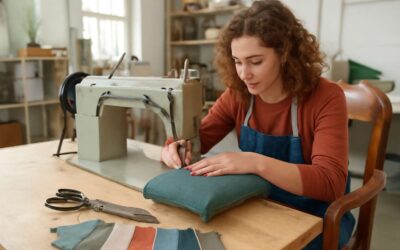
Planning turns that figure into momentum. Break work into milestones and align payments with progress; sourcing locally trims lead times and keeps SA costs predictable. DIY can slash bills, but it demands time, tools, and patience, especially when you’re balancing a fragile frame with a heavy material.
- DIY pros: lower upfront cost, total creative control, satisfaction in every stitch.
- DIY cons: longer timelines, risk of mistakes, fabric waste and disposal hassles.
- Hiring pros: precision, faster turnaround, guarantees and access to seasoned fabrics.
- Hiring cons: higher upfront cost, coordination challenges, less day-to-day hands-on control.
Hidden costs and procurement challenges
Cost is the compass when you decide to reupholster or slipcover in South Africa. The bottom line is shaped by fabric, padding, trims, labour, and transport; contingency is prudent. Your choice should map to a tangible outcome—comfort, resale value, or longevity—since a well-finished piece outlasts its cover.
Planning turns that figure into momentum. Break the project into milestones and align payments with progress; sourcing locally trims lead times and keeps SA costs predictable. A thoughtful approach reduces surprises and keeps the vibe of your space intact.
Project execution can reveal hidden costs and procurement challenges. In SA, price shifts, delivery surcharges, and fabric availability test patience more than a hammer and needle. A concise list of considerations keeps the dialogue clear:
- Delivery surcharges and transport variability
- Lead times and fabric/trim availability
- Storage, waste, and disposal considerations

0 Comments