
Fundamental steps in furniture upholstery
Fabric selection and materials
Every piece deserves a second life, and a well-chosen fabric is the hero cape that makes it pop. When you breathe new life into a chair, texture and tone can transform a room faster than a fresh coat of paint—and without breaking the bank.
Fundamental steps in furniture upholstery begin with Fabric selection and materials. If you’re wondering how to reupholster furniture, start by weighing use, climate, and style. Consider these factors:
- Durability and rub resistance
- Colorfastness and stain tolerance
- Texture, weight, and maintenance
South African homes lean toward sun-smart, easy-clean fabrics, from sturdy cotton blends to resilient synthetics.
With this frame in mind, your project reads as sophisticated rather than a DIY dare.
Tools and workspace setup
Turns out tidy spaces cut project time by up to 50% — a stat that’s as satisfying as a neatly trimmed seam!
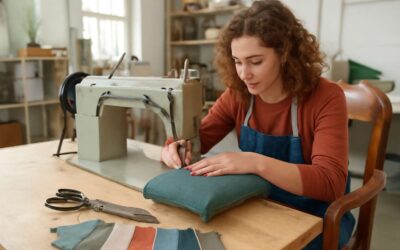
When you’re facing how to reupholster furniture, start with a workspace that breathes: strong lighting, calm ventilation, and a flat, protected bench with room to move. Keep tools within arm’s reach and set a rhythm—measure twice, cut once, never wrestle a stubborn spring mid-stream. A South African workshop benefits from durable surfaces and a dash of personality to keep focus intact.
- Electric staple gun
- Upholstery scissors
- Brad nailer or tacker
- Pliers, seam ripper, and chalk
- Measuring tape and straight edge
Organised, calm, and a touch of South African practicality, that’s how a showroom-ready upholstery project begins.
Disassembly and padding prep
An efficient workspace is the first ally for any upholstery quest, and a tidy studio can shave as much as half the time off a project—great news when deadlines loom. When you embark on disassembly and padding prep, the furniture tells its own story: springs sigh, fabric whispers, and the frame reveals its history. This is how to reupholster furniture in your own corner of South Africa, where craft meets sunlight.
- Frame and spring assessment
- Padding density and lifespan
- Surface protection and dust control
- Documentation for future repairs
Padding prep is where comfort begins to breathe. Visualize clean foam, fresh batting, and a quiet layer of cushioning that invites the sitter to linger. In this moment, the chair stops being furniture and starts telling a softer, more resilient tale for years to come.
Cutting and sewing techniques
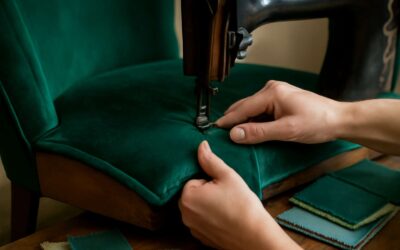
Every chair carries a memory, and the right cut preserves it. Fundamental steps in furniture upholstery sit at the seam between craft and patience. Cutting and sewing techniques translate pattern into comfort, balancing grain, seam allowances, and drape. When I visualize the fabric’s fall, the chair begins to reveal its secrets, whispering of weight, wear, and a lasting embrace.
In a sunlit South African studio, from coastal towns to inland towns, careful cutting respects the frame while stitching honors the sitter. The rhythm is steady, the eye trained on edges, corners, and symmetry, because fabric speaks through how it lies and moves.
For many readers curious about how to reupholster furniture, the journey begins in mind before hands.
Attention to grain, nap, and durability threads the story through every seam.

0 Comments