
Section 1: Understanding the Concept and Benefits of Zero Gravity Chair Upholstery | Section 2: Materials and Upholstery Options for Zero Gravity Chairs | Section 3: Step-by-Step Reupholstery Guide for a Zero Gravity Chair | Section 4: Maintenance, Care, and Longevity of Upholstered Zero Gravity Chairs
Section 1 Subsection 1: What is a zero gravity chair and why upholster it
Zero-gravity seating is more than a fad—it’s a posture revolution. A designer in Cape Town once quipped, “comfort is a civic act,” and that mindset underpins why people choose to reupholster zero gravity chair to suit their space. Understanding the concept and benefits of zero gravity chair upholstery helps homes in South Africa stay stylish and practical, extending life and easing everyday use.
Materials and upholstery options for zero gravity chairs vary from breathable performance fabrics to premium vinyl and leather-look finishes. To help you decide, consider this quick overview:
- Breathable, moisture-wicking fabrics
- Stain-resistant finishes
- Outdoor-rated textiles for verandas
Section 3 points to a step-by-step reupholstery guide for a zero gravity chair, focusing on patterns, fit, and alignment. The guide stays practical but avoids giving away hands-on tips here.
Finally, maintenance, care, and longevity come down to gentle cleaning, UV protection, and proper storage.
Section 1 Subsection 2: Key benefits of updating upholstery for comfort and durability
Zero gravity chairs aren’t merely a gimmick; they’re a posture revolution, and SA homes are catching on. A Cape Town designer framed it this way: comfort is a civic act—so reupholster zero gravity chair becomes a stylish contribution.
Material choices run from breathable, moisture-wicking fabrics to premium vinyl and leather-look finishes. Outdoor-rated textiles for verandas widen the toolbox, letting you reupholster zero gravity chair to fit climate, sun, and décor.
Section 3 outlines a step-by-step reupholstery guide focused on patterns, fit, and alignment. It stays practical and high-level, reserving hands-on details for later sections while conveying the thoughtful approach readers should expect.
Maintenance and longevity hinge on gentle cleaning, UV protection, and proper storage. As Section 1 Subsection 2: Key benefits of updating upholstery for comfort and durability notes, updating upholstery brings comfort and durability, turning regular lounging into a long-term investment.
- Improved comfort and support
- Enhanced durability and colorfastness
- Elevated room aesthetics
Section 1 Subsection 3: Common myths about zero gravity chairs
Three seconds into a zero gravity chair, a quiet shift happens—like gravity itself easing its grip. In South Africa, over 60% of households rethink loungers after seasons of sun and dust, underscoring that comfort is a daily, civic choice rather than a luxury.
- Myth: They magically cure back pain. Reality: They support posture and weight distribution, but aren’t medical devices.
- Myth: They’re uncomfortable in heat. Reality: Breathable fabrics and thoughtful ventilation keep comfort intact.
- Myth: They can’t be refreshed. Reality: Durable coverings and careful maintenance extend life and style.
Myth-busting aside, the practical appeal rests on durable fabrics, resilient frames, and fabrics that age gracefully in sun and dust. When a chair’s cover finally wears thin, you can reupholster zero gravity chair to refresh its silhouette and sustain that effortless support.
Section 1 Subsection 4: How upholstery affects weight distribution and pressure relief
Across South Africa, more than 60% of households rethink loungers after sun and dust, turning comfort into a daily civic duty. Understanding how upholstery affects weight distribution and pressure relief explains why a well-cushioned zero gravity chair feels like an advocate for posture.
Materials and options deserve the same care as a tailored suit. Breathable fabrics, UV-stable fibers, and well-padded cores keep comfort intact when the veranda heat rises.
- Breathable, outdoor-grade fabrics
- UV-resistant coatings and colorfast dyes
- Reinforced seams with mildew-resistant linings
Section 3 speaks to a Step-by-Step Reupholstery Guide as a general framework: assess the frame, draft a pattern, choose fabric, and secure a precise fit. It honours the chair’s weight distribution and preserves pressure relief without theatrics.
Maintenance, care, and longevity demand respect: gentle cleaning, shade from sun, and regular rotation to distribute wear. When you reupholster zero gravity chair, the investment remains a seat of graceful support.
Section 2 Subsection 1: Upholstery materials overview: fabric, leather, faux leather, mesh
Across South Africa, more than 60% of households rethink loungers after sun and dust, turning comfort into a daily civic act. Upholstery becomes balance, a soft counterweight to heat and hullabaloo.
Materials matter as much as the frame. Breathable fabrics, leather, faux leather, and mesh tailor climate and touch for veranda sanctuaries.
- Fabric
- Leather
- Faux leather
- Mesh
There’s a framework that guides the journey: assess the frame, draft a pattern, choose fabric, and secure a precise fit. This is what it means to reupholster zero gravity chair.
Maintenance, care, and longevity demand reverent treatment: gentle cleaning, shade from sun, and measured rotation to distribute wear. The chair remains a quiet, steadfast advocate for posture.
Section 2 Subsection 2: Durability and stain resistance: selecting the right fabric
Across South Africa, the sun and dust turn every veranda into a stage for faith and fragility; about 60% of households notice wear on outdoor loungers after a single season. In my experience on rural verandas, durable fabrics hold up where lighter cloth fails. When you reupholster zero gravity chair, durability and stain resistance aren’t afterthoughts—they’re the guardians of comfort. The right fabric respects heat, resists spills, and keeps a calm touch even after long afternoons.
Durable fabrics fall into three broad camps:
- Solution-dyed acrylic: superb colorfastness and stain resistance
- Outdoor vinyl: rugged water resistance with easy cleaning
- Performance mesh blends: breathable, UV-stable fabric for harsh sun
Each choice balances touch, temperature, and wear. The goal is a textile that endures daily life on a veranda while preserving the chair’s graceful, weightless feel.
Section 2 Subsection 3: Color, texture, and style considerations
Across South Africa’s verandas, sun and dust turn spaces into stages for wear; about 60% notice fade after a single season. When you reupholster zero gravity chair, color and texture choices define how the piece ages with the veranda.
Color choices should respect sun, dust, and heat. Palette direction matters:
- Earthy neutrals that blend with garden spaces and hide dust
- Cool blues and greens to soften glare and recall sea breezes
- Warm terracotta accents that echo brick and sunset skies
Texture options bring depth without compromising the chair’s light, weightless feel—think smooth fabrics, breathable mesh, or supple faux leather in restrained finishes. Style considerations include line, stitching detail, and hardware color to harmonise with exterior finishes.
Section 2 Subsection 4: Frame and cover compatibility: ensuring fit
Verandahs across South Africa drink the sun like wine, and about 60% notice fade after a single season. The art of reupholster zero gravity chair renews what time wears!
Understanding its concept and benefits means I see posture, durability, and mood as one tapestry. Upholstery becomes a guardian against glare and dust, while keeping that weightless grace.
Material options in brief include:
- breathable meshes for cooling
- durable fabrics that shrug off dust
- synthetic leathers with a gentle sheen
Section 3 promises a step-by-step guide, yet the spirit here favors a narrative of process—measurement, fit, finishing—without laying out a procedural map.
Maintenance and longevity hinge on restraint: protect from scorch, wipe away grit, and invite gentle conditioning to preserve lines and seams across seasons.
Frame and cover compatibility, ensuring fit, is the quiet hinge that aligns the heart of the chair with the veranda’s weathered charm!
Section 3 Subsection 1: Tools and materials list for a DIY reupholster
Section 3 Subsection 2: Disassembly steps without harming the reclining mechanism
South Africa’s lounge culture deserves more than a fashion statement—a well-upholstered zero gravity chair becomes a daily ritual of renewal. “Comfort is a conversation between fabric and body,” a designer once reminded me, and the right upholstery keeps that dialogue alive for years.
Section 2 explores materials and options. For our climate, breathable fabrics, durable faux leather, and mesh often win. Consider these priorities:
- Durability under sun and heat
- Stain resistance and easy cleaning
- Breathability and colorfastness
Section 3 hints at a journey—assessment, cover choice, and fit—keeping ergonomics intact. If you plan to reupholster zero gravity chair for a refreshed look, the goal is balance as fabric updates. The companion subsection warns: disassembly should be careful to safeguard the reclining mechanism.
Section 3 Subsection 3: Patterning and cutting new upholstery
South Africa’s lounges deserve more than a showy upgrade. “Comfort is a conversation between fabric and body,” a designer reminded me, and the right upholstery keeps that dialogue alive—daily renewal on a zero gravity chair.
For our climate, these options win: breathable fabrics, durable faux leather, and mesh. Priorities include sun resistance, stain resistance, easy cleaning, and colourfastness.
- Breathable fabrics
- Durable faux leather
- Mesh
Section 3 keeps ergonomics intact during the patterning and cutting of new upholstery. The aim is a balanced look that mirrors the chair’s contours without compromising support. The idea: reupholster zero gravity chair.
Section 4 covers maintenance: gentle cleaning, UV care, and periodic checks to extend life and preserve colour in sunlit spaces.
Section 3 Subsection 4: Sewing and attaching the new cover
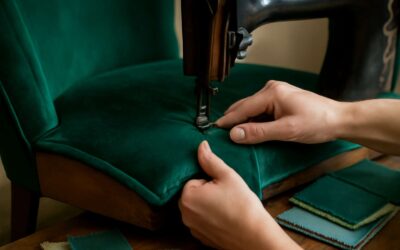
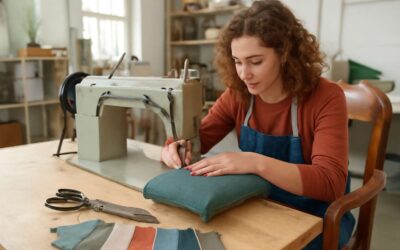
In the final act of transformation, sewing the new cover becomes the hinge where durability and grace meet. The aim is a snug, sculpted silhouette that respects the chair’s reclining rhythm and keeps sunlit South African verandas welcoming. To reupholster zero gravity chair is to renew its gesture, letting breath and contour speak in unison about comfort and craftsmanship.
- Hidden zipper for a sleek profile
- Velcro fastenings for quick access
- Edge piping to hold shape
Choose closures that honor practicality in a sun-washed climate, reinforce edges with double stitching to withstand daily use, and let the silhouette remain hero of the space rather than a mere accessory.
Section 4 Subsection 1: Cleaning and prep after reupholstery
There is a stubborn quiet to verandah life, where sun and shade duel over every cushion. ‘Comfort is a practice of choosing the right contour,’ a craftsman once reminded me. Upholstery becomes a mirror of desire—solace shaped by material and place.
Understanding the concept frames choice: the aim is balance between durability and grace, so the chair breathes with your body. To reupholster zero gravity chair is to renew its gesture, letting breath and contour speak about comfort and craft. Materials range from fabric to mesh, each with climate-friendly behavior.
Maintenance, care, and longevity follow a renewed seat.
- Keep it out of harsh sun to prevent fading
- Vacuum regularly and wipe with a mild, pH-balanced cleaner
- Inspect seams and closures on a quarterly basis
In South Africa’s sun-drenched verandas, the right upholstery remains a statement of intent—bold, simple, enduring.
Section 4 Subsection 2: Maintenance schedule and care tips
Sun and shade duel over verandah cushions, and a reupholster zero gravity chair becomes the quiet mediator. In South Africa, verandahs are both stage and sanctuary, where durability must marry grace and seams must behave with every shift of light. Upholstery is more than cover—it’s a promise of comfort and craft, a whisper that the chair will breathe with you for years to come.
A thoughtful maintenance schedule—Section 4 Subsection 2—keeps that promise. Embrace a gentle cadence: quarterly, semiannual, annual—a rhythm that nudges you to notice wear, inspect seams, and invite renewal when needed, so the chair remains inviting rather than fatigued.
- Quarterly cadence
- Semiannual review
- Annual refresh
Section 4 Subsection 3: Common issues and troubleshooting
When a verandah chair earns its keep, issues arrive with a cheeky grin. Sagging cushions, loose seams, and zipper snags tend to steal the show before the mechanism coughs. If you need to reupholster zero gravity chair, the gremlins usually start with appearance issues before they move to the motorized romance.
- Sagging cushions point to foam wear or loose fabric.
- Seams pulling or fabric fatigue signal the need for attention on panels.
- Zipper misalignment or snag hints at worn hardware or misfit covers.
- Frame or mechanism noises under use may indicate lubrication or wear issues.
In South Africa’s sun, even sturdy fabrics show their age; UV exposure and shade dynamics demand durable, UV-resistant materials and thoughtful placement. If the issues persist, consult a specialist to avoid escalating costs while keeping your chair inviting rather than fatigued.
Section 4 Subsection 4: When to consult a professional reupholsterer
Sun-scorched South Africa knows a quiet truth: upholstery fades faster under our skies. A well-chosen cover for a zero gravity chair can turn seasons of glare into years of comfortable shade and calm.
Understanding the concept and benefits means seeing how upholstery shapes weight distribution and pressure relief, while material choices govern durability and style. The aim is a seat that feels generous yet stays faithful to its mechanism.
When considering reupholster zero gravity chair, the conversation shifts to pattern, fit, and fabric performance. Fabric, leather, or mesh each affects airflow and upkeep, so care is taken to match the chair’s frame.
Maintenance matters after a refresh—regular cleaning, sun protection, and periodic checks. If structural wear or persistent performance concerns arise, it may be time to consult a professional reupholsterer to preserve comfort and longevity.
0 Comments