
Understanding Button-Tufted Headboard Design
Benefits of Button Tufting on Headboards
Luxurious restraint has a heartbeat all its own: a button-tufted headboard that catches candlelight and conversation, lifting a room’s perceived luxury by up to 20%. In South Africa’s sunlit bedrooms, this design whisper grounds both modern lines and timeless silhouettes.
Button tufting on a headboard blends texture with seamless form. It strengthens the fabric against wear, distributes tension, and creates elegant shadow pockets that shift with the night. The result invites you to reupholster headboard with buttons, refreshing texture and form.
- Texture and shadow that deepen lighting and mood
- Durability and even wear distribution
- Versatility with fabrics from velvet to linen
In South Africa, artisans blend craft with daily life, turning tufted surfaces into sculptures that endure. Velvet, linen, or jacquard—each fabric finds a halo when paired with buttons, marrying glamour with practicality.
Popular Tufting Patterns for Headboards
In candlelit corners and sunlit sanctuaries across South Africa, a button-tufted headboard commands the room with quiet gravity. The pattern becomes a map of light, its shadow pockets deepening mood while the fabric breathes in a measured, midnight cadence.
- Diamond (classic symmetry and depth)
- Channel (sleek vertical lines for modern elongation)
- Grid (contemporary texture with geometric rhythm)
- Basket weave (antique glamour with tonal richness)
When you reupholster headboard with buttons, consider how each tufting pattern catches light and wear. Velvet, linen, or jacquard find a halo when stitched against fabric, shaping the room’s silhouette with restrained drama.
Sizing and Proportion Considerations for Headboard Tufting
Two inches of headboard height can shift a room from claustrophobic to cinematic—proportion is the quiet architect of mood. When you reupholster headboard with buttons, sizing isn’t an afterthought; it’s a design decision you live with every morning. Start with bed width and height.
Consider the bed size (twin, full, queen, king) and how the headboard sits above mattress. In rooms with vaulted ceilings, a taller tufted panel reads luxurious; in compact spaces, keep it lower and wider to feel airier.
- Width relative to mattress and nightstands to preserve balance
- Tuft spacing and button count aligned with fabric scale
- Mounting height and the margin above the mattress for clean lines
Finally, the tension between fabric and light matters; the way velvet catches morning sun or linen softens evening glow can shift the perceived proportion. That is where choosing to reupholster headboard with buttons matters, keeping the rhythm intentional and durable.
Fabric and Backing Compatibility for Button Tufting
Texture is the mood-setter in any room; in sunlit South African bedrooms, a button-tufted headboard translates mood into touch and anticipation at dawn. A crisp seam, a whispered nap, a hint of velvet—these signals shape how a space feels. That is why reupholster headboard with buttons deserves more than aesthetics; it requires fabric and backing to converse.
Fabric choice must dialogue with the panel’s core: foam density, batting, and how the material holds a crease. Velvet catches morning light and yields a lush shadow; linen softens the glow and invites airiness. The backing should be steady—dense foam or high-density batting keeps tufts crisp, colors true, and the buttons secure.
- Fabric weight, nap direction, and scale relative to tuft spacing
- Backing integrity: foam vs batting, moisture resistance, edge support
- Button hardware and thread tension to preserve silhouette over time
When compatible fabric and backing align, the act of reupholster headboard with buttons becomes a ritual—quiet, durable, and unmistakably local to South African interiors.
Tools, Materials, and Prep
Essential Upholstery Tools for Button Tufting
In a sunlit South Africa studio, the decision to reupholster headboard with buttons begins as a vow to craft quiet grandeur. “Tension makes beauty,” a craftsman might murmur.
- Staple gun and staples
- Curved upholstery needle
- Measuring tape and chalk
- Sharp fabric scissors
Materials weave the mood: sturdy fabric, foam, batting, and the buttons that anchor the dream. For reupholster headboard with buttons, choose textures that hold a line and a graceful silhouette.
- Upholstery fabric suitable for headboards
- Foam core of chosen thickness
- Batting for depth and lift
- Buttons and strong upholstery thread
Prep is the mind’s rehearsal: surface is inspected, grain aligned, and the plan set so balance and drama can breathe across the panel. This prep readies the headboard for a durable finish.
Choosing the Right Upholstery Fabric for Headboards
Texture whispers before color, and the right tools make that moment land. When you reupholster headboard with buttons, lines stay sharp and tension stays true. Think of tools as the architecture of calm—steady hands, clean edges, and reliable results against a sunlit South African backdrop.
Materials are mood, weight, and resilience. Choose fabric with a tight weave and enough heft to hold tufted lines without sagging. Consider nap direction and how colors shift in bedroom light. For durability in this climate, test colorfastness and edge stability; these choices help you reupholster headboard with buttons.
Prep is the plan before the first stitch. Clean the surface, map where lines will land, and test a sample to confirm balance. Mark cut lines accurately and give the fabric time to relax before final fitting. In South Africa, plan for sun fade and choose a fabric with built-in resilience.
Padding and Backing Options for Comfort and Stability
Tools are the quiet orchestra behind the buttoned hush of a headboard. In a South African workshop, the right implements shape calm lines and steady tension when you reupholster headboard with buttons. Gather a nimble set—stitching awl, fabric shears, chalk line, seam roller, pliers, and a dependable staple gun—plus waxed thread.
- stitching awl
- fabric shears
- chalk line
- pliers
- staple gun
Materials are mood: weight, weave, resilience. A tight fabric holds tufted lines without sag; nap direction and sunlit mornings in SA color the scene. Test colorfastness and edge stability against the room’s light, and choose fabric that endures the climate with grace.
Prep is the plan before the first stitch, a quiet map of line placement. The surface carries its stories, and fabric tends to relax into balance in the room’s sun. Padding and backing—dense foam, cotton batting, or a thin felt layer—offer comfort and enduring stability.
Measuring and Material Planning for a Seamless Fit
Tools set the tempo when you reupholster headboard with buttons; a nimble kit keeps calm lines and steady tension. In a South African workshop, the stitching awl, fabric shears, chalk line, seam roller, pliers, and staple gun—plus waxed thread—do the quiet work. That toolkit pays dividends in every stitch.
Materials are mood: weight, weave, resilience. A tight fabric holds tufted lines without sag; nap direction and SA sunlight color the scene. Test colorfastness and edge stability against the room’s light, and choose fabric that endures the climate with grace.
Prep is the plan before the first stitch, a quiet map of line placement. The surface carries its stories, and fabric tends to relax into balance in the room’s sun. Padding and backing—dense foam, cotton batting, or a thin felt layer—offer comfort and enduring stability.
- Pattern repeats and spacing—the symmetry of the tuft
- Anchor points and edge allowances—the frame of the design
- Fabric behavior and installation notes—the sunlit SA factor
Hardware, Threads, and Fasteners You’ll Need
South Africa’s bedrooms deserve a stage where fabric and personality mingle. A well-tufted headboard can steal the show, and you reupholster headboard with buttons to let the drama unfold. “Tools set the tempo,” a veteran SA craftsman loves to say, and the right toolkit keeps lines calm and tension true.
Tools are the quiet ensemble. The stitching awl, fabric shears, chalk line, seam roller, pliers, and a staple gun—plus waxed thread—do the quiet work.
- staple gun and staples
- waxed upholstery thread
- stitching awl
- fabric shears
- chalk line
- seam roller
Materials and prep hinge on weight, weave, resilience. The surface yields to the room’s sun, and test colorfastness guides the palette. Prep is the plan before the first stitch—line placement, anchor points, edge allowances—the frame of the tufted symmetry. You’ll need:
- Waxed thread, sturdy and smooth
- Upholstery needles
- Button kit (buttons and shanks)
- Staples and staple gun cartridges
- Decorative edge nails (optional)
Step-by-Step Reupholstering Process
Removing Old Upholstery Safely
In South Africa, a bedroom is a sanctuary, and a well-chosen headboard anchors the room. A tufted panel with buttons can transform the mood from tired to polished in a single afternoon.
Removing old upholstery begins with a careful assessment of the frame and backing. Work deliberately to protect the wood, save the springs where possible, and keep the space clean so the new cover can breathe.
Safety guides every move; ventilation, proper lighting, and gentle handling protect both you and the piece. When the layers are lifted, you see the path ahead. That moment is when you reupholster headboard with buttons.
Installing New Padding and Fabric
Across South Africa, bedrooms deserve sanctuary-level comfort, and a tufted headboard can transform a space in minutes. A recent interior survey found that 62% of homeowners sleep better after upgrading with buttons, proof that texture and depth influence mood as much as colour.
Now, to reupholster headboard with buttons, focus on padding first—foam layered with batting for softness, then a tight ticking to hold the shape. Align the fabric and frame so the tuft points land cleanly and the cover breathes with the frame.
- Padding is cut to fit the frame and laid evenly.
- Foam and batting are layered and secured for a smooth surface.
- Fabric is brushed over, edges aligned, and fastened at the back.
- Tufts are recreated with a thread and button to anchor the fabric.
The result is a modern, durable finish that invites conversation and rest in a South African bedroom.
Creating Button Tufts and Anchoring
In South Africa, a calm bedroom can be a nightly sanctuary, and 62% of homeowners sleep better after a button-tufted upgrade.
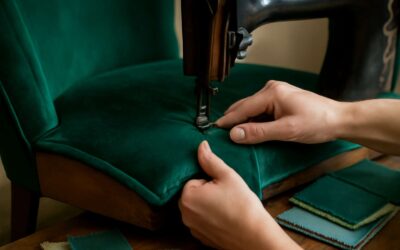
Step-by-step reupholstering process creating button tufts and anchoring unfolds as a quiet choreography of foam, batting, fabric, and thread. Padding and fabric are coaxed into place, then the tuft points guide alignment so the cover breathes with the frame. This is how you reupholster headboard with buttons.
Each tuft becomes a tactile punctuation across the headboard, adding texture and depth without shouting. The result is a modern, durable finish that invites conversation and rest, a true example of reupholster headboard with buttons done with care.
Aesthetic and Practical Considerations
Color Theory and Coordination with Bedroom Decor
In sun-drenched South Africa bedrooms, color is the quiet conductor of mood. A well-chosen hue can soften edges and invite rest. When you reupholster headboard with buttons, color becomes a living texture that the eye greets first—and the room follows its lead.
Color theory guides the blend: warm neutrals feel cozy; cool blues invite calm; bold accents create drama without overwhelming the space. Let the button color echo wall undertones or provide a deliberate contrast with bedding. In South African homes, earthy ochre, forest greens, and slate tones pair beautifully with natural woods.
Three directional palettes to consider:
- Neutrals that emphasize texture
- Contrasts that wake the room
- Harmonious tones drawn from textiles
Let these be lenses through which you view fabric choices.
Durability and Stitching Techniques for Longevity
In any bedroom, durability is a quiet partner to style, especially in sun-drenched South Africa where fabrics take more sun and humidity. When you reupholster headboard with buttons, choose stitching that resists daily use while preserving the tufted silhouette. A well-balanced mix of body fabric, padding and secure button anchors keeps the piece looking sharp year after year!
Key durability considerations include:
- Heavy-duty thread and reinforced button anchors to prevent sagging
- Double-stitched seams and tight pleats to maintain the tufted pattern
- Quality padding that resists compression and cracking under use
Stitching techniques matter more than they appear: deliberate backstitches at stress points, cross-stitching around buttons, and careful anchoring through the padding into a solid backing all contribute to longevity and a crisp aesthetic.
Maintenance and Cleaning Tips for Upholstery
In South Africa, sun can fade fabrics up to 30% faster, turning a lush headboard into a muted silhouette in a single season. Aesthetic allure and practical grit coexist when you endure daily use and seasonal heat, so maintenance becomes part of the design. When you reupholster headboard with buttons, keep the tufted silhouette crisp by guarding against sun exposure and humidity.
Regular care preserves the sculpted drama. Vacuum with a soft brush, blot spills immediately, and shield fabrics from direct sun with curtains or positioning. A gentle spot-clean solution, tested on a hidden area, keeps the fabric looking fresh and the button anchors secure.
- Vacuum weekly with a brush attachment
- Blot spills—don’t rub—to prevent fiber distortion
- Test cleaners on a hidden area before full use
With mindful care, the headboard retains its crisp lines and luxe presence, year after year.
Budgeting Your Headboard Project
Visual impact in a South African bedroom hinges on a single piece—the headboard. A well-planned budget keeps elegance within reach and avoids shocking surprises at the till. The trick is balancing aesthetic ambition with practical stamina. If you reupholster headboard with buttons, you shape a timeless silhouette that ages gracefully, while choosing fabrics and foams that stand up to daily use. A smart budget treats texture, tone and tufting as a cohesive chorus, not stray notes.
Consider these budgeting touchpoints as you map your project.
- Material quality for durability and look
- Local labour versus imported options
- Timeline allowances and contingency
With careful planning, your headboard remains the room’s anchor, year after year.

0 Comments